Avocado fruit, also nicknamed the green gold, has gained popularity in recent years. It has greatly influenced the healthy living movements fronted by influencers and celebrities. The fruit has definitely gained more popularity and for a good reason. Avocados look amazing, taste great and have plenty of nutritional benefits.
They contain fat-soluble vitamins less common in other fruits, have high levels of B5, B6, K and E vitamins, protein, and unsaturated fatty acids. One avocado has on average twice the potassium of a banana. From guacamole to avocado toast, avocado salad, avocado ice cream or avocado oil, avocados have very interesting properties and benefits that are recognized and used by the pharmaceutical and cosmetics industries.
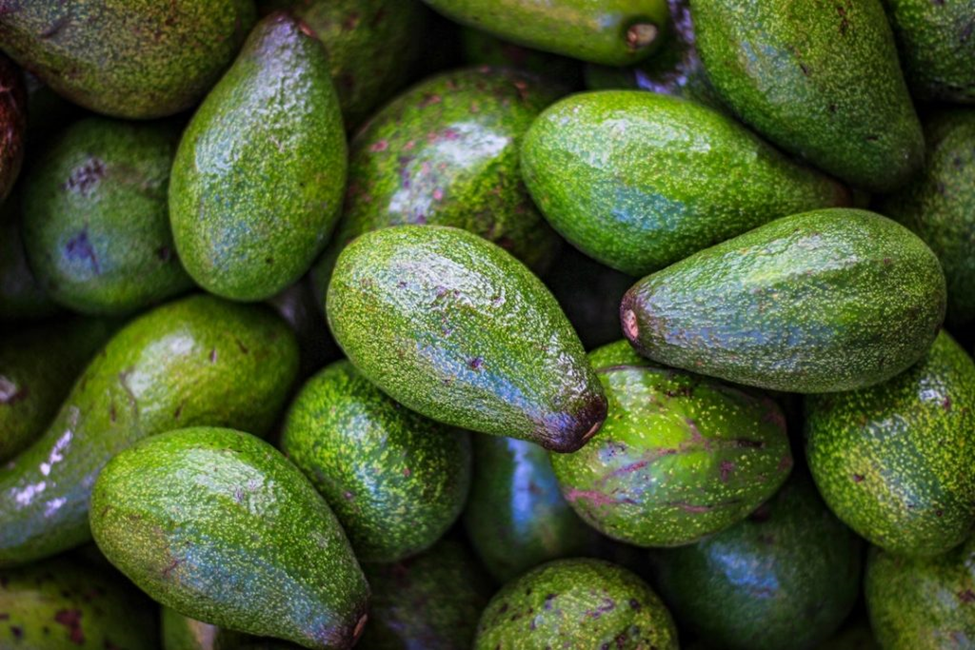
A batch of freshly picked avocados. Photo source: four winds grower
The avocado industry in Tanzania
The origin of avocado was first recorded in Meso-America. Records also show that the fruit grew wild all over Latin America. The Spanish explorers took this fruit to Spain in 1601. Cultivated avocado was first reported in Mauritius in 1780, Florida in 1833, California in 1856 and Zanzibar in 1892. The cultivation in these areas increased extensively during the 1900s.
Avocado was introduced to Tanzania in the 19th century, similar to the timing that it was introduced in Zanzibar. In Tanzania, the prominent avocado producing areas are in the regions of Njombe, Mbeya, Songwe and Iringa in the southwest, as well as in Arusha, Kilimanjaro and Tanga in the northeastern part of the country. The other regions are Kigoma and Kagera in the northwest and Morogoro in the eastern part of Tanzania. The majority of the growers are smallholder farmers who own a couple to hundreds of avocado trees around their homesteads and in distant farms.
Some popular varieties of avocado grown in Tanzania include the Hass, characterized by a dark purple color when ripe and a good shelf life. It usually matures 8 to 9 months after flowering. Other varieties include the Fuerte which is usually known for its green color and rough texture when ripe. It usually matures 6 to 8 months after flowering. Other less popular species moderately grown in Tanzania are the Puebla, Nabal and Pinkerton.
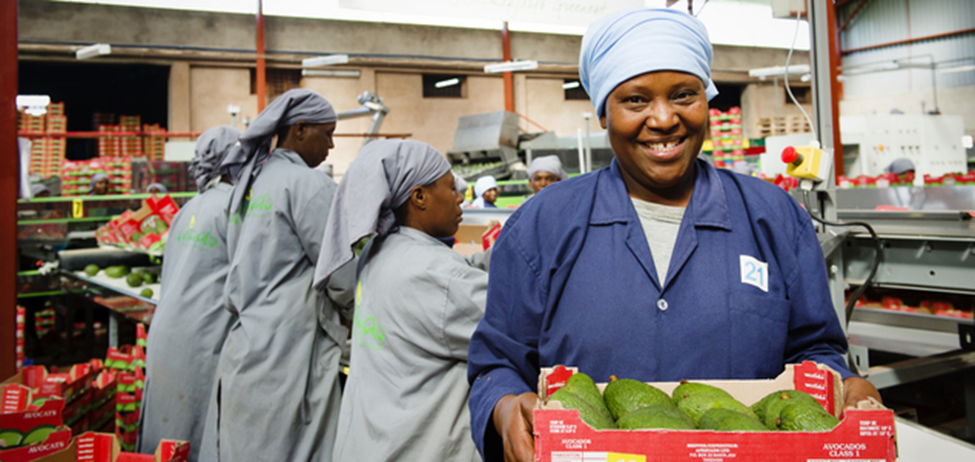
A lady carrying a box of avocado ready for shipping. Photo source: Africado.org
AFRICADO
Africado is an organization established in 2007 in the region of Kilimanjaro (Also known as Moshi) in Tanzania. Africado has developed and grown as a business from a simple start up to becoming the largest fruit exporter in Tanzania, producing and exporting Hass avocado to the EU. The company has revolutionized the Avocado industry in Tanzania and paved way for the potential growth of this industry in the country’s economy.
The company works with over 2000 small-scale growers in Tanzania. Africado has succeeded in commercializing a traditionally low-value crop through new techniques and agricultural trainings that have created jobs and new sources of revenue for small-scale avocado farmers in Tanzania.
The influence of Afrocado has contributed the shift of governmental focus towards the industry. Avocados yield at least $12 million a year for Tanzania. Moreover, from 2014 to 2019, the value of Tanzanian avocado exports increased eight-fold, which also “strengthened Tanzania’s market share from 0.1% to 0.4%.” Despite these numbers, the avocado market in Tanzania has not reached its full potential. However, former Tanzanian Prime Minister Kassim Majaliwa recently announced that Tanzania is negotiating to export avocados to South Africa, which has the potential to “free Tanzanians from abject poverty.”
Challenges facing the Industry and measures to alleviate them
In the past, Tanzania has not lived up to its potential when it came to the avocado market. According to Daud Mbongo, a researcher at the Tanzania Agriculture Research Institute, farmers have not always honored their contracts to companies and instead sold produce to “other companies or individuals citing looming financial and family problems.” However, in the same way that education has reduced poverty in many regions in Tanzania such as Impalamwa, Mbongo announced that the Tanzania Agriculture Research Institute would educate Tanzanians through the Dar es Salaam International Trade Fair (DITF) also known as SabaSaba, radio and television programs, social media and Nane Nane (a day that celebrates Tanzanian farmers’ contributions) in order to “ensure more regions engage in the crop production in sustainable ways while maintaining professionalism".
The Tanzanian export corridor also faces a combination of challenges related to production and trade capacity, capacity to attract viable agribusinesses and ability to retain and expand such agribusinesses within the avocado industry. The challenges of developing entrepreneurship skills and inability to meet market product quality standards. To remedy the situation, drastic changes in policy towards enhancing productivity and competitiveness, value chain upgrading and export diversification as well as improving the standards and quality of the crops are required.
Quality management is one of the major export challenges facing Tanzania producers in the avocado industry, especially the small-scale operators. Introduction of the Global Agricultural Practices (GAP) has widened the scope of every segment of value chain actors, especially farmers and primary producers, many of whom are learning about GAP for the first time, and finding it challenging to adapt and fully harness its benefits. Individual household farmers have limited capacity to apply the GAP, meeting the cost of yearly GAP inspections, and facing a dearth of local certifiers and often having to consult those in neighboring countries.
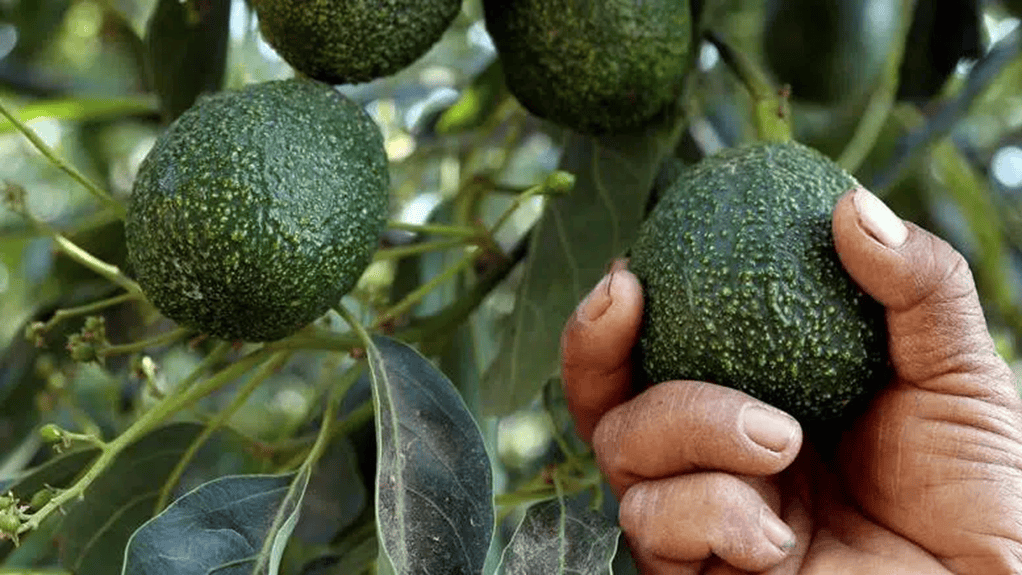
The Fuerte species of avocado, popular for its green skin and rough texture. Photo source: Medical news today
Ways to fix this challenge is to create a close coordination between agribusiness-related line ministries including the Ministries of Agriculture, Industry Trade and Investment, Environment, and their concerned agencies such as the TBS, TFDA, Tanzania Revenue Authority to improve the regulatory environment and quality control. There should also be introduction of innovative ways to enhance the production and trade capacity of avocado value chain actors.
Mentoring for entrepreneurs, decoding trade certifications, business development, access of finance, research and innovation, networking and linking micro, small and medium enterprises with established operators to assist them penetrate regional and international markets will go a long way to alleviate these challenges and ensure maximum output.
The future is green
Commercial avocado farming has the potential to create an avenue that successfully diversifies Tanzania’s portfolio of horticultural crops, thereby enhancing the value of the horticultural industry in the country. Europe is one of the biggest market potentials in the world, with a market constituting almost half of avocados importation globally.
South Africa is another untapped market for Tanzanian avocado exports. For example the South African avocado season occurs from “mid-February to late October.” For the rest of the year, South Africa imports avocados from Spain. If South Africa were to import avocados from Tanzania, in the short term the price of avocados for consumers will decrease. But, in the long run this would produce positive results for Tanzania and the returns will compensate any losses acquired in the beginning of the partnership.
According to the former Prime Minister Kassim Majaliwa, such a trade deal will ensure Tanzanian farmers will “benefit in the same way their South African counterparts benefit with the importation of apples that are saturated in the Tanzanian market.” In other words, expanding avocado exports has the potential to increase profits for farmers across Tanzania and the overall economy. Finally, avocado products such as extracted oil have a huge market demand in Asia particularly China.
With the revolution of healthy living and promotion of organic lifestyle movements, the avocado industry’s potential is beyond any predictable measurement if the right pressures are applied.
