During the 2026 Madaraka day celebrations in Kenya, Kenyans were treated to a rare spectacle as students drawn from around Wajir county presented Somali cultural dances and songs. It was the first time in the history of Kenya that the celebrations were held in the county. It was also the first time that a significant number of Kenyans were experiencing Wajir County and Somali culture beyond Eastleigh and away from common stereotypes.
In Kenya, the Somali community is mostly known for their business acumen and their name is synonymous with Eastleigh where most of them conduct business. Eastleigh is a neighborhood in the outskirts of Nairobi city, home to both Somalis of Kenyan descent and a significant number of refugees who have together built an economic engine that has created a source of livelihood for many households. The population in Eastleigh is predominantly people of Somali descent which is why British anthropologist Neil Carrier nicknamed it little Mogadishu. However, Somalis in Kenya are not only found in Eastleigh, they are spread out in every part of the country.
In recent times, there have been efforts both from within and outside the Somali community to bring up the Somali way of living to a greater audience. These efforts are borne both by individuals and the community perhaps with an aim to shed light on a community that has long been misunderstood.
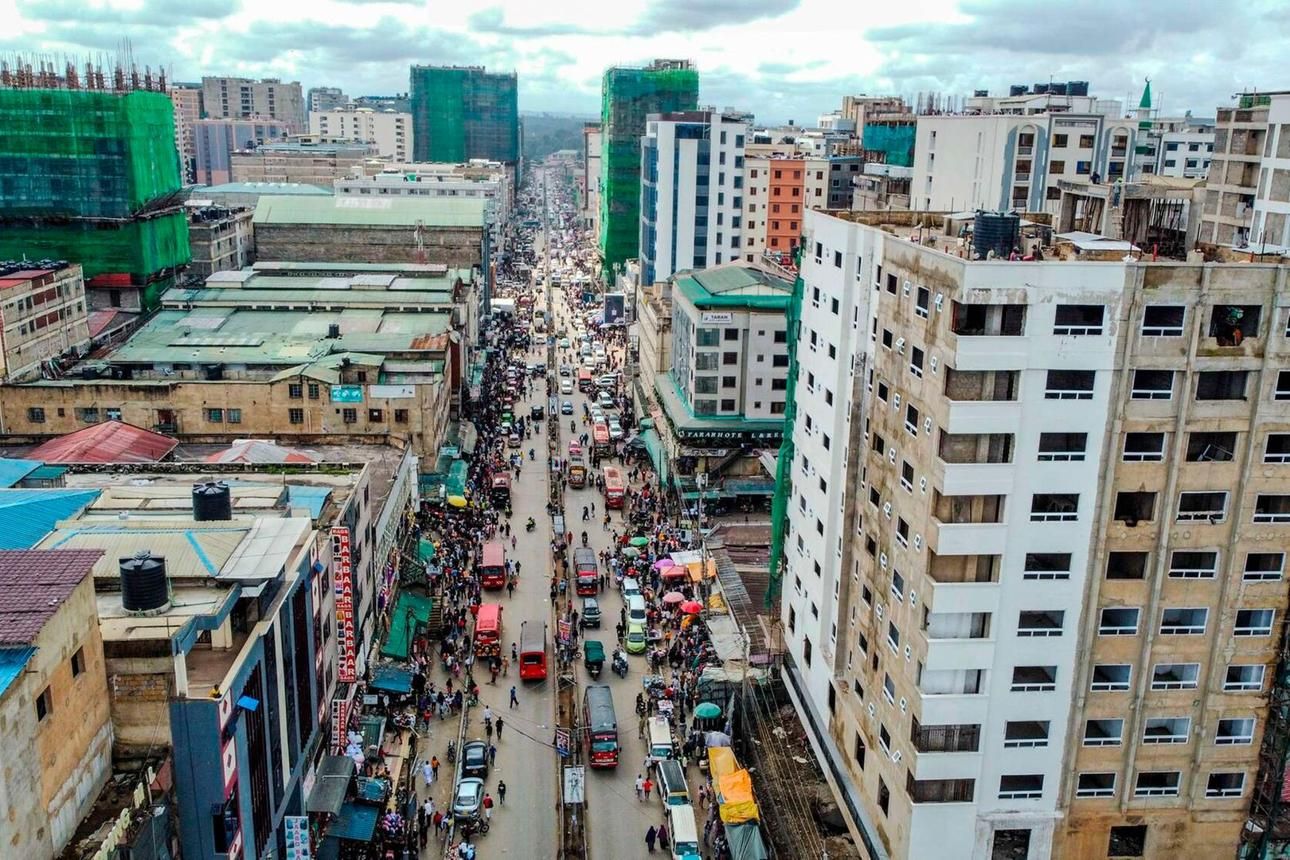
Eastleigh is one of East Africa's busiest trading centres Photo Credit: Reuters - Thomas Mukoya
Culture, Identity and Belonging
In an article written by Isaa Hussein and carried by the Eastleigh Voice, a tabloid that mainly reports on Somali issues, the writer reports of how Bulla Adey, a little known village in Garissa county, started welcoming tourists in 2025 as a way to have them experience the wildlife, the hospitality, and a taste of Somali culture they'd previously only associated with Eastleigh.
Visitors who spoke to the tabloid reported having an experience contrary to the common stereotypes and limited understanding of the community. Another such initiative is a community based organisation in Eastleigh called Horseed. The group was established in May 2018 with an aim of preserving, teaching, and celebrating the rich and vibrant Somali culture.
In an Interview with Eastleigh Voice, the cofounder Mohmed Amin Abdirahman explained that the mission of the group is to inspire Somali Youth to observe and keep their culture. The group’s membership comprises both men and women between 18 and 35 years. In the beginning the group would meet at Eastleigh social hall daily for rehearsals and for skills development training in video editing and graphic design. With time, the group opened a similar arm in Wajir county.
The celebration of Somali culture is not limited to the confines of Eastleigh or North Eastern counties alone. In 2025, Two Rivers Mall in Nairobi played host to the third annual Somali Cultural Festival. This was the perfect opportunity for people from different cultures in Kenya to experience the Somali way of life at close range. Somali people have also created a sense of belonging and ownership by daring to enter into fields such as comedy.
A popular Somali comedian is Nasra Yusuf who made history as the first female Somali comedian in Kenya. Nasra’s brand of comedy infuses a lot of elements of Somali culture and every once in a while she uses her comedy to address and debunk stereotypes that the community faces.
Nasra is not the only one using comedy to spotlight the Somali community. In an article carried by the Eastleigh Voice in 2024, the writer, Abdirahman Khalif, described a brand of comedy popularized as "Sujuu" comedy among locals. Khalif wrote that Sujuu comedy are skits made by young Kenyan Somalis who in most cases are not fluent in the Somali language. Through such skits, Somalis celebrate and pay homage to elements of Somali culture and their way of life as well.

Annual cultural festival celebrating Somali heritage. Credit: Somali Cultural Festival Organizers
The Spirit of Oneness
While these kinds of initiatives preserve heritage and foster pride, this spirit of collective responsibility extends far beyond the stage. It is, in fact, the bedrock of the community’s economic strength.
One of the most admirable traits of the Somali community that many people have remained curious about is how the community generates wealth. The answer to the question according to Abdinoor Alimahdi lies in the Somali culture of togetherness and oneness which is an important pillar of community life.
Alimahdi is one of many young Somali people who through education have gone on to achieve great things and put the community on the map. He is an education technologist and the brains behind M-Lugha, an app that translates the school curriculum into local languages, Somali included, for children in North Eastern Kenya facing language barriers. While appearing on former TV personality Dr. King'ori's YouTube channel, Alihmadi explained the communal system among the Somali and how they use it to uplift each other.
For instance, in the interview he revealed that it's the responsibility of every Somali individual who rises up in life to give those behind him in their family or clan a helping hand. Alimahdi also explained that Somalis have ways of lending each other money and using the community or clan as a guarantor so that even if the debtor defaults on the loan, the clan will step in to pay the creditor.
This is where the Hawala system, a trust based system that helps individuals transfer money from one person to another without using a bank, draws its roots. The Hawala system as well as trust based lending and borrowing of money has become an important work, especially for refugees who may want to venture into business but still lack necessary documents and are thus locked out of financial institutions.
His response matched the one shared by nominated MP Umulkher Harun, in an interview with Spice FM. Harun explained that Somalis pool resources together through marriage ties, clan ties and family ties. Where access to loans and banking services has been hard due to lack of documentation, Somalis rely on Hawala networks; a trust based money transfer system that is regulated through clan accountability.

Education technologist Abdinoor Alimahdi helping bridge language barriers by M-Lugha. Courtesy of Abdino
Education as a Tool for Empowerment
While innovation has been one of the ways that Somalis have used to fight back against the challenges they face, a good number have also used education.
Aden Duale represented Garissa Township in the National Assembly for four consecutive terms before rising through government to his current post as cabinet secretary for health.
Amina Mohammed, a former cabinet secretary across sports, education and foreign affairs, and once Kenya's flagbearer in the African Union Commission chair elections, holds a master of laws from the University of Kyiv and often credits her parents' insistence on quality education.
Ahmednassir Abdullahi, once dean of the Law School at the University of Nairobi, now owns his own law firm and co-founded Premier Bank Limited. These are just a few of the names.
The community has also taken advantage of efforts by the government to level the playing field for them. For example, in the interview with Spice FM, Harun credited the equalization fund through the 2010 constitution, which according to her directed resources to marginalized areas like Northern Kenya where a significant percentage of the Somali population live. Yet, while these innovative financial networks and individual success stories highlight a powerful spirit of resilience, they also serve as vital workarounds for systemic obstacles.
The Road Still Ahead
For refugees especially, the harder parts of life haven't disappeared especially because of challenges obtaining proper documentation- which then locks them out of important services, like healthcare and education. Yet in places like Eastleigh, educated Somalis of Kenyan origin have opened clinics that serve refugees who lack necessary identification documents.
However, numerous challenges still persist despite the innovation and close community ties.

Communities in and around Dadaab continue to build livelihoods. Credit: UNHCR via Samuel Otieno
The government has tried to come up with measures to help assimilate refugees into Kenyan society quicker. One such plan is the Shirika plan. For all its proposed benefits however, refugees are still skeptical about it wondering if it will really change anything. Somalis of Kenyan origin also continue to be marginalized especially in the North Eastern region of Kenya where development has been slow and to be victims of harmful stereotypes like those linking them to terrorism. However, the story of the Somali community is much more than the stereotypes and marginalization, it's a story of resilience and communal living upheld by long held ethos and values that are passed down from one generation to another.