Algorithms: How Have Gateways Turned into Guardians of Taste?
The music landscape has undergone a radical transformation. Where record labels and radio stations once served as the primary gateways, digital streaming platforms like Spotify, Apple Music, and TikTok have become the new capitals of distribution. The algorithms powering these platforms, from Spotify to TikTok, have moved beyond their organizational function to become global arbiters of artistic taste.
And while these digital tools are often viewed as a “guiding force” pushing culture toward a homogenized aesthetic that flattens depth in favor of fast-paced appeal, equally powerful stories of resistance and adaptation are emerging across Africa and the Middle East.
The logos of Spotify, Apple Music and TikTok. Source: Dreamstime.com
First: “Global Sound” vs. Authenticity: Algorithmic Pressure Toward Homogenization
Algorithms are designed to reward fast, repeatable listening, which creates pressure to standardize musical production. When global playlists prioritize the most common sounds and dominant languages, the local artist faces two difficult choices: either compromise aspects of their identity to fit the norms of the recognized “global sound”, often built on engineered American pop rhythms, or risk being pushed to the far corners of digital platforms.
Artists like Wegz and Marwan Pablo successfully cemented the bold “Egyptian street sound,” yet their global reach is closely tied to their use of 808s and production layers that follow the global trends of the Genre. While this success has been crucial for asserting an Arab sonic presence, it also places immense pressure on newer artists to favor these globalized templates.
Many feel compelled to soften the sharper edges of their local dialects or avoid intricate Arabic maqams, just to ensure that their track is automatically categorized as part of a global Hip-Hop playlist rather than relegated to a Niche Arabic category. This pressure creates a competitive environment that rewards algorithmic obedience over authenticity.
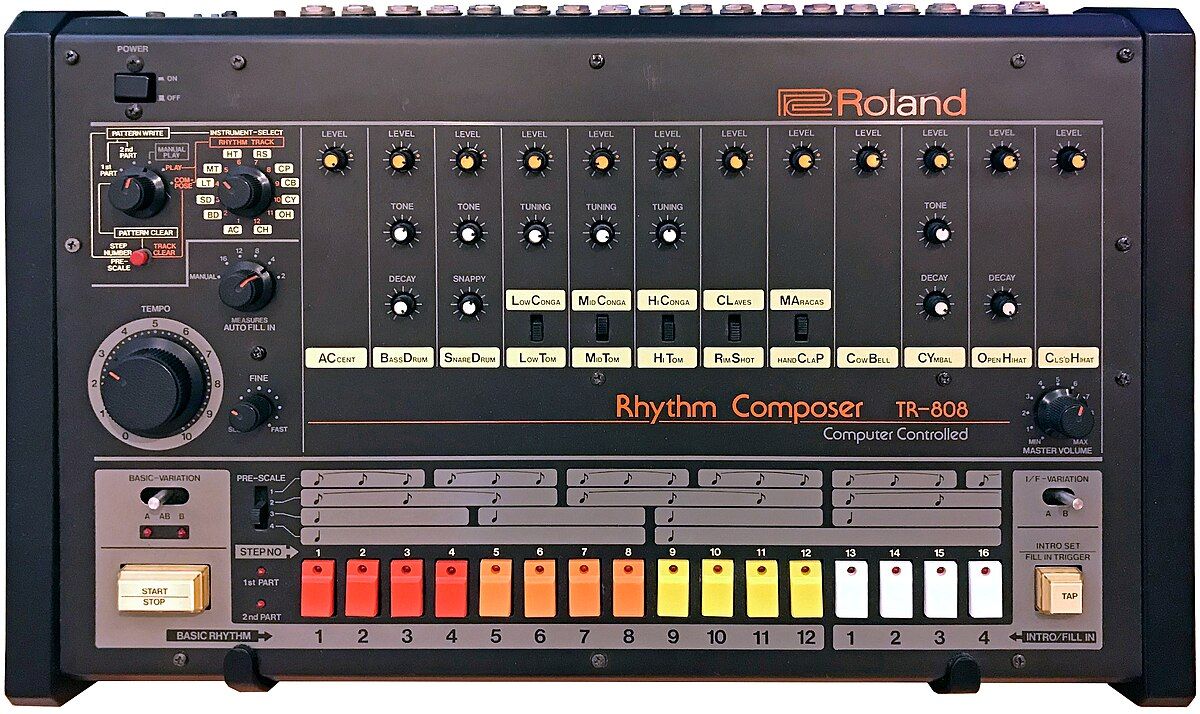
Roland TR-808. Source Wikipidea
Second: The Death of Intros: How Viral Rhythm Dismantled Musical Structure
Algorithms on short-form platforms like TikTok pose a structural challenge to the song itself. Viral success now depends on what has come to be known as the “30-second song”, where the most captivating segment must appear at the very beginning to prevent the listener from scrolling past.
This has effectively led to a massacre of musical intros, which are essential components of many traditional genres, from Arabic maqams to African folk rhythms. As a result, the classical architecture of a song is dismantled and rebuilt as a chain of algorithm-friendly viral moments, threatening deeper artistic expression in favor of high-impact, surface-level rhythm.
Third: Turning the Algorithm into a Bridge: African Identity Triumphs Through Samplers
Despite algorithmic dominance, they are not an insurmountable force; rather, it can be reversed, subverted, and repurposed. The artist’s greatest creative challenge lies in achieving digital localization, fusing an authentic local sound with the global formatting required by today’s platforms. This artistic strategy is essentially reverse engineering the algorithm.
Cross-Cultural Creative Resistance and Artists’ Responses
In the Arab world, this becomes especially clear in the work of producers who sample music by Umm Kulthum or old folk songs and repurpose them within contemporary trap rhythms, as seen in the work of "Nirk" in Iraq and Shabjadeed and Al-Nather in Palestine.
Across North and Sub-Saharan Africa, the landscape is even more diverse. From blending Algerian/Moroccan Raï melodies into modern Afro-trap structures, as in the productions of Draganov and Toto, to the revival of Ethiopian jazz (Ethio-Jazz) through samplers within global hip-hop, and to the south, where artists in "Modern Taarab" in Tanzania fuse classic Swahili instruments into contemporary production, these tactics create a sound that is locally striking yet globally legible. Digital platforms become channels for transmitting cultural heritage in a modern form.
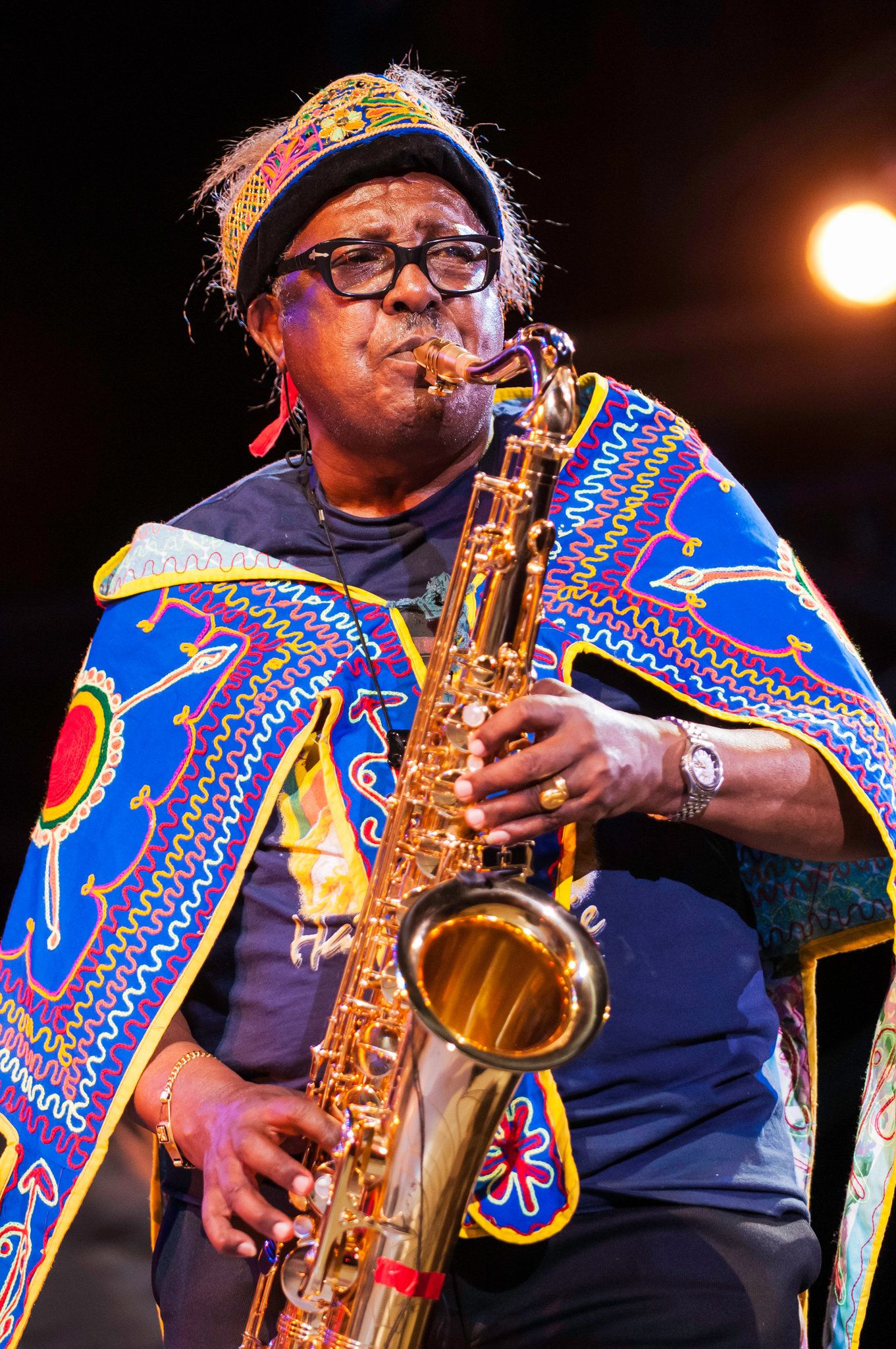
The king of Ethio-Jazz the late Getatchew Mekuria. Source: The New York Times
During my interview with Gemy Hood, an influential Egyptian journalist in the Arab music scene, he emphasized the enormous impact of algorithms and streaming platforms, especially the rise of the artist’s fame cycle, short bursts of popularity generated by the algorithm. This pushes artists to chase digital success quickly and repeat the same formula, steering them away from experimentation, diversity, exploration, and producing something genuinely different.
He added that well-known artists engage in this behavior, and that Arab and global labels exert pressure on musicians to conform to a specific current that guarantees profit and visibility. He also explained that the song Format is now designed to succeed on TikTok by manipulating the hook and phrasing in a specific manner, and that distribution has become tailored to please the platform in order to secure digital success.
We now have artists who may achieve millions of views yet never appear in live concerts, studio artists who excel at crafting, recording, and producing a track but cannot perform it live. Many highly popular names neither sing live nor perform on stage. The algorithm has produced a category of online-only figures who exist not as full artists or live performers, but as components within playlists curated for specific moods and occasions. You become a creator of a “sound of joy,” a creator of a “TikTok sound,” but not a creator of a song that lives in people’s emotional memory, one that is sung live and deeply loved. This type of artist is increasing: an artist who works for the algorithm.
In my interview with Al-Mukh, a rising Egyptian artist in the field of electronic shaabi sound, he explained: “The idea of the 30-second song is now pushing the market toward tracks that are a minute and forty seconds or two minutes long. Listeners are increasingly bored with long songs.”
He confirmed that the artist’s market is not necessarily identical to the broader commercial market. More precisely, whether you are an artist or someone working within the industry, a wave of new developments sweeps in every ten years or so. An artist must be deeply conscious of their craft to discern what truly suits them. Some styles emerge and others disappear.
This means that certain musical or artistic approaches may rise and spread quickly thanks to digital algorithms, only to fade again in favor of styles that are more attractive to platforms like TikTok. In the context of digital success, this shows how algorithms shape the artistic landscape without prioritizing longevity.
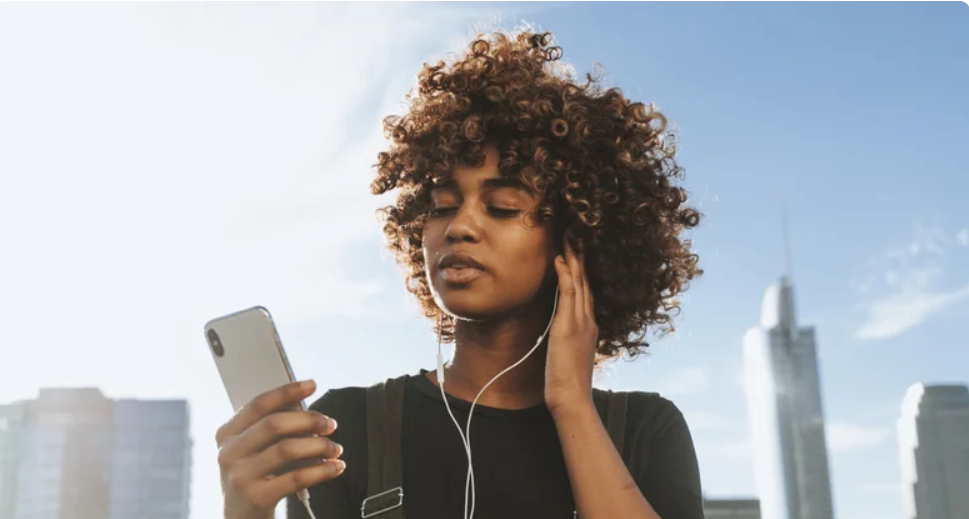
Smartphones have made listening to music easier but changed people's taste. Source: BGR
What Does This Mean for Today’s Music scene?
This digital landscape raises fundamental questions about the future of music: audience taste has become fast and prepackaged, fed by what the algorithm suggests rather than what the individual discovers. This threatens the region’s rich musical diversity and pushes it toward a homogenized global sound.
Here, I’ll pose the key question: Why should listeners care about algorithmic shaping of music?
Simply put, it’s about preserving the diversity of your listening experience and your cultural future. When algorithms control what you hear, they don’t promote “good music”, they promote “music that obeys the rules.” This creates an auditory poverty that endangers traditional musical identity. Your concern is, in fact, a struggle to ensure that deep and diverse artistic experiences reach you, and that your collective taste doesn’t collapse into a single, globally recycled rhythmic formula.
Second: Artists today have a wider reach than ever before, but the competition is fiercer; and success doesn’t always favor the most talented, but the most algorithm-friendly.
If cultural depth matters to you, your agency begins with a single click. Don’t settle for what the algorithm presents in the first playlist; search manually for artists working in endangered genres. Support an artist by listening to their full tracks rather than focusing solely on the “viral” snippet. Most importantly, create and share your own “modern heritage playlists” as a counter-force to algorithmic dominance.

Users can nudge algorithms to support the cultural depth of the music. Source: Intent Solutions
Third: Cultural institutions now bear a greater responsibility to support and nurture heritage voices and artistic styles that may not perform well algorithmically, through cultural policies that counter this form of digital colonization and protect authenticity. Musicians, too, can reclaim their agency through two practical steps:
Using tools like TikTok clips or Reels as digital bait fragments authentic rhythms, ultimately driving audiences to the full work. Audiences should prioritize high-quality sound, visuals, and narrative storytelling rooted in cultural heritage.
In the end, music platforms are powerful tools that reflect the logic of the digital age; reach before authenticity. The artist’s greatest challenge is to prove that local identity can be the driving force of global reach and that algorithmic intelligence should serve the artistic spirit.