The Nile River is regarded as a vital axis in the history and identity of Sudan. It is the great artery of life upon whose banks the magnificent Kingdom of Kush flourished for thousands of years. With every drop of its fresh waters, fields prosper, cities grow, and the earliest memories of humanity’s struggle with nature are inscribed into Sudan’s soil.
For example, the ancients considered the Nile a sacred being, a source of bounty and abundance along its banks. The Nile has been, and continues to be, a haven of fertility and tranquility; it carved mountains and rivers through the desert, and few rivers in the world have held such a profound presence in the consciousness of their people.
The civilization of Kush extended from around 2500 BCE until the fourth century CE. It passed through three major historical capitals, Kerma, Napata, and Meroe, all of which arose along the banks of this great river. Napata served as the capital of the Napatan phase of the Kingdom of Kush until the capital was moved to the island of Meroe in 591 BCE, where it became a royal Kushite center until the fourth century CE. It is not surprising that the Nile came to be regarded as the true bond linking the tribes of Sudan from south to north. Each tribe left its own cultural imprint along its course, and its legends and songs blended with folk poetry and the rituals of the land.
Deeply rooted in Sudanese consciousness is the idea that the word “Nile” has become synonymous with the homeland itself. To speak of it is to evoke the history of Sudan, its literature, customs, and national epics. This life-filled river has left along its banks traces and beliefs that weave legends into the collective memory. Thus, the stage is set to explore the customs, traditions, rituals, and myths associated with this river in the following sections.
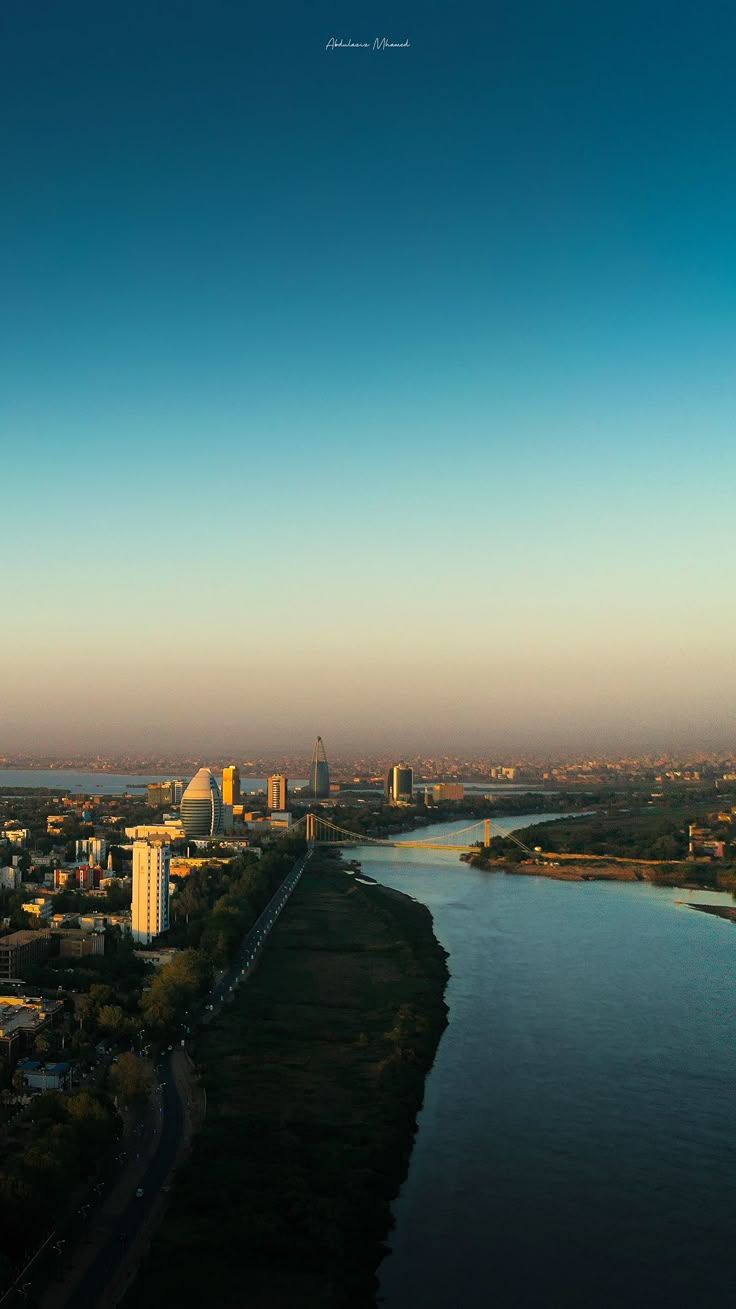
A picture of the Nile River flowing through the capital city of Khartoum. Source: Sudan in pictures, Pinterest
The Nile in Sudanese Memory and Identity
Since the Sudanese people first set foot along the banks of the Nile, the river has become a mirror of the self and a vessel of memory. Life in Sudan, from its Nubian north to its Nile-fed south, has always revolved around the river. Even popular memory itself was shaped by the seasons of its flooding, the blueness of its waters, and the fertility of its soil.
In the Sudanese imagination, the Nile is not merely a river that irrigates the land; it is a living being that grants life and takes it away. In prosperous years it overflows and enriches the people; in difficult years it recedes, testing their patience and faith.
In Sudanese folklore, it is said, “The Nile is our father,” an expression that encapsulates the collective sense of belonging linking people to water, fertility, and survival. Since ancient Nubian times, homes were built to overlook the river, religious and agricultural celebrations were held during the season of its flooding, and songs were composed in praise of its beauty and generosity.
Over time, the Nile became a meeting point for tribes and cultures. Through it, bonds of communication extended between north and south, east and west, until it became a symbol of Sudanese national unity.
Sudanese memory has preserved the Nile’s features in every aspect of life. It appears in proverbs, songs, and modern poetry, where it is portrayed as a symbol of motherhood, generosity, and fertility. Some Sudanese anthropologists argue that the Nile identity lies at the heart of Sudanese identity itself, as the cultures of the Nubians, the Funj, the Ja‘aliyyin, the Danagla, the Shayqiyya, and others merged around it, forming over centuries a national fabric in which the Nile flows like shared blood.
Because the Nile has been the constant presence in Sudanese life, it has become the memory of the community. Every household has a story connected to the river; every generation passes down to its children tales of the flood, fishing, wedding processions, and circumcision ceremonies that begin and end at the Nile. Thus, the river is no longer merely a body of water but a guardian of collective memory and a pillar of cultural identity that continues to shape the spirit of Sudan to this day.
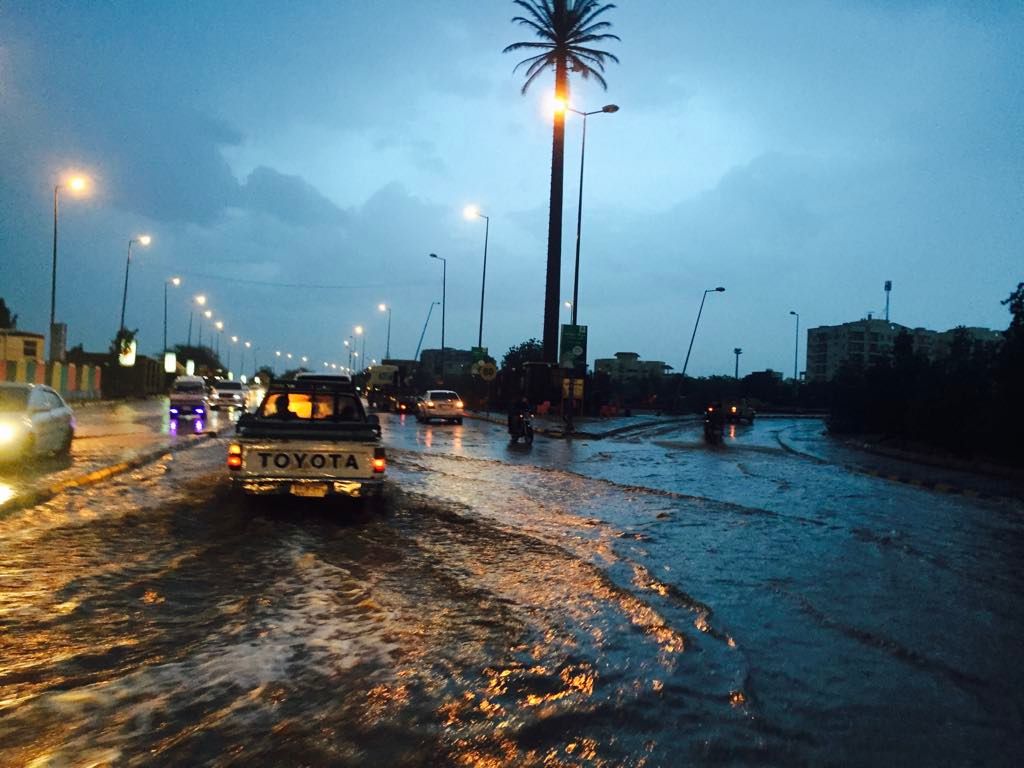
Nile Flood 2022 - Source: Sara Mahjoub
Rituals and Beliefs Associated with the Nile in Sudanese Culture
From ancient times to the present day, the Nile in Sudanese imagination has remained more than a river; it is a living being treated with reverence and sanctity. Successive generations of Sudanese people have woven around it rituals and myths blending religion and folklore, expressions of gratitude, fear, hope, and the mysterious relationship between humanity and nature.
Among the most prominent of these rituals is the “Bridegroom’s Procession to the Nile,” an ancient custom still present in some northern Sudanese regions such as Shendi, Dongola, and Halfa. After the marriage contract is concluded, the groom is led in a celebratory procession toward the river. Women surround him with ululations, and men carry green palm fronds, symbols of growth and fertility.
There, the groom washes his face and hands with Nile water as a blessing. It is said that whoever bathes in its waters at the beginning of married life will be granted blessing and longevity. These rituals are not merely customary practices, but symbolic renewals of life and sacred metaphors of purity and cleansing before entering a new covenant.
Another ritual of strong symbolism is known as the “Postpartum Woman’s Visit to the Nile.” Forty days after childbirth, female relatives accompany the mother and her infant to the river. They carry small offerings of grains, dates, or flour, casting them into the water in gratitude to the Nile for the gift of the newborn child.
The mother and child are washed three times, symbolizing purification and healing. This practice is an extension of ancient fertility rituals associated with the Nile since the time of Kush and Meroe, when women approached the God of water and fertility with similar acts of thanksgiving.
As for the legend of the “Bride of the Nile,” it is one of the most famous and evocative stories in popular memory. The legend tells of an ancient custom of offering a beautiful girl to the Nile as a sacrifice to ensure its annual flooding and the fertility of the land.
Although historians affirm that this practice was not an actual human sacrifice but rather a symbolic celebration in which statues or wooden dolls were cast into the water, the legend has remained alive in Sudanese consciousness, retold in proverbs and songs as a symbol of sacrifice and redemption for the sake of life.
The Prince of Poets, Ahmed Shawqi, expressed this spirit of sacrifice in his immortal verses, portraying the bride as she casts herself into the river, as though willingly offering her soul:
She gave herself to you, her soul and all its treasure
And came, aflame with longing, wrapped in desire.
Before you she laid down her modesty and her breath of life;
What offering could be dearer than these to be given?
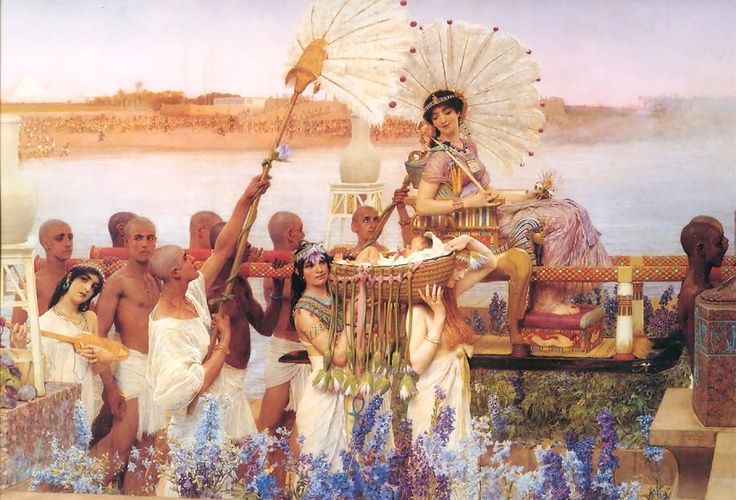
Bride of the Nile in Egyptian folklore, source: BBC Arabic
In some ancient regions of Sudan, young girls would throw bracelets or colored threads into the Nile on the night of the flood, believing that the river would accept their gifts and grant them fortune and fertility.
This reverential relationship is also evident in the custom of visiting the Nile during religious festivals, especially Eid al-Adha. People gather in groups along the riverbanks, swimming or bathing in its waters, offering prayers for blessing and forgiveness, repeating the saying, “The Nile washes away sorrow.”
Yet the Nile did not remain merely a religious or ritual symbol; it also became the most beloved source of recreation for Sudanese people. Along its banks, lovers sit together in summer evenings, and friends gather to converse and drink coffee in an atmosphere filled with the gentle breeze rising from the water. There, stories are told, music is played, and poetry is born.
Even today, the Nile in Omdurman, Khartoum, and El-Gezira remains a meeting place for generations, the breathing space of cities, and a small stage upon which life unfolds, inseparable from its waters.
Rituals and Myths Associated with the Nile in Ancient Egypt, and Their Comparison with Sudanese Culture
In ancient Egypt, the Nile stood at the heart of life and sanctity. Its seasonal cycles were closely tied to major religious rites and grand celebrations, most notably what later came to be known as the “Wafaa El-Nil” festival (Festival of the Nile's Fulfillment), held during the flood season as an expression of gratitude to Hapi, the God of fertility and abundance. These celebrations included religious processions, hymns, and symbolic offerings cast into the river as tokens of giving and renewal, with priests and common people participating alike.
In later periods, the popular legend of the “Bride of the Nile” evolved, depicting the offering of a beautiful maiden as a sacrifice to ensure the river’s faithful flooding. Yet modern historians and scholars affirm that this practice was not an actual human sacrifice, but rather symbolic and poetic in nature; the real bride was replaced by a statue or wooden effigy cast into the water to represent fertility and abundance.
In Sudanese culture, the Nile likewise remained a center of fertility and blessing, though without the formalized religious structure or centralized mythological system found in ancient Egypt. Sudanese practices were more social and communal, woven into daily life: washing the bride in the river, postpartum rituals, or offering simple symbolic gifts such as grains or threads. These rites express an emotional and spiritual bond with the river, not as a deity in the ancient religious sense, but as a partner in the cycle of life.
Thus, while both cultures share a vision of the Nile as a source of life and abundance, they differ in expression. Ancient Egypt embodied it in grand religious ceremonies and sacred mythology, whereas Sudan preserved its relationship with the river through inherited life-rituals that reflect a collective awareness of the sanctity of water and fertility, without formal religious mythologizing.
The Nile Through Sudanese Eyes
When you ask a Sudanese person about the Nile, you do not receive a geographical fact or a topographical figure, you are told a story. The Nile is not merely a river; it is an old neighbor, a companion of the household. As one elder from Omdurman once said while sitting by its banks at sunset:
“The Nile has witnessed all our lives… We have seen our weddings in it and our tears. We were all born upon its waters.”
In a small survey I conducted among people from different regions of Sudan, from Shendi to Kosti to Jebel Aulia, there was unanimous agreement that the Nile represents the living memory of the Sudanese people. Khadija from Dongola said:
“When I’m upset, I go to the Nile. Its waters calm me. I feel as if it were my mother.”
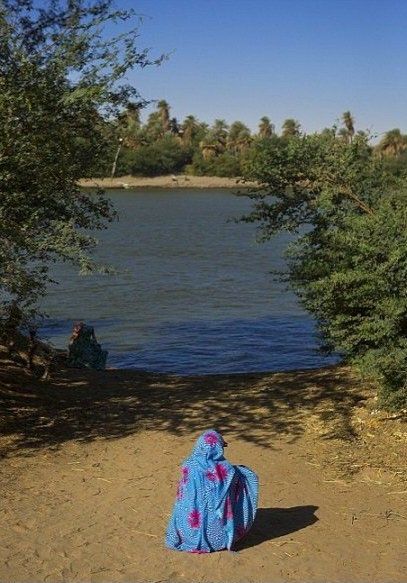
A woman seeking refuge from her worries by the Nile. Source: Sudan Hub
A young man from El-Gezirah described it as their first teacher, the one who taught them patience and cooperation:
“The Nile taught us how to plant and how to wait, how to share water and stand together.”
A woman from an old neighborhood in Bahri spoke of the custom of “visiting the Nile after Eid”:
“We wash our faces with its water and pray, saying: O Nile, increase us in blessing.”
These simple rituals, though varied between towns and villages, reveal how the Nile weaves threads of belonging and serenity among the people.
Even today, despite changing lifestyles, young people still see the Nile as a symbol of continuity and memory. A student from the University of Khartoum once told me:
“In war, migration, and loss, the Nile is the only thing that remains… Its presence gives the feeling that there is still a homeland.”

Chatting and drinking coffee on Nile Street. Source: Sudan Hub
Among women especially, a tone of safety and spirituality echoed in their responses. Manahil from Al-Halfaya said:
“When I stand before the Nile, I feel words that cannot be spoken… as if it is telling me the stories of my ancestors.”
Thus the essence of the Nile in Sudanese consciousness becomes clear: it is not merely a river crossing the land, but a memory walking upon water, gathering people in its quiet flow, reminding them that their roots still reach deep into silt and light, no matter how wars shift or cities fade.
The Nile in Contemporary Sudanese Creativity
In the consciousness of the contemporary Sudanese artist, the Nile transforms into a civilizational symbol overflowing with beauty and creative force. Painters such as Rashid Diab, who was born on its banks, draw inspiration from the Nile’s imagery and colors in their abstract works, until their exhibitions themselves seem to speak in the river’s name. For example, a collective exhibition titled “Disturbance in the Nile” featured works by Diab and other Sudanese creatives and was displayed in Lisbon and Madrid.
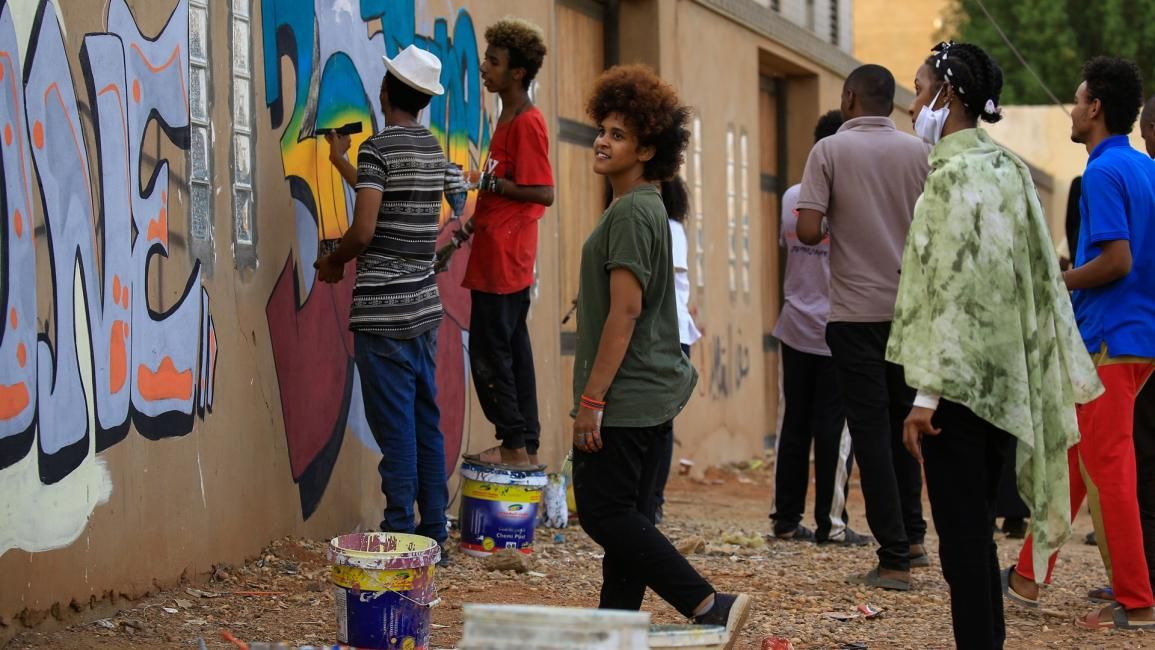
Murals in Omdurman, Source: Saeed Adam, Facebook
In Omdurman, vibrant Nile Street has also borne witness to this living spirit. In April 2025, artists launched an initiative to adorn its walls with murals and artistic panels, coinciding with the revival of cultural activity. This living artistic practice at the heart of the capital expresses their search for clarity and inspiration along the riverbanks.
In poetry, the Nile becomes text and verse. In “Midday on the Shore,” the poet Mohammed al-Makki Ibrahim paints the plains reclining and surrendering themselves to the Nile’s embrace, while the great poet Fuad al-Fayturi expressed his devotion with the line: “I shall lie down like water within the body of the Nile.”
Among cultural events celebrating the river was the exhibition “The Nile… A River of Creative Communication” by the artist Mohamed Omar Khalil in 'Almarai', sans-serif !important, alongside numerous artistic evenings and exhibitions devoted to its image and symbolism. From street murals to international galleries and poetic gatherings, these examples affirm that in Sudanese memory the Nile is not merely a river, but a source of inspiration flowing through their consciousness, filled with symbolism and beauty.
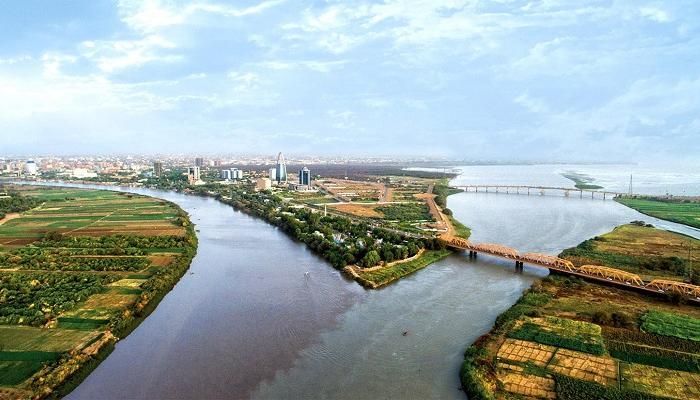
The confluence of the White and Blue Niles in Khartoum. Source: Sudan Hub
The Nile as a Mirror of Sudan’s Collective Memory
Along its long course, the Nile carries within its waters the story of the Sudanese people in all their transformations, from the era of the Nubian kingdoms to the present of cities wearied by war and displacement. Reflected in its waters is the image of a homeland shaped by successive civilizations, religions, dialects, and ethnicities, all of which have found in the Nile a shared denominator and a source of emotional cohesion. Each of its waves tells a layer of memory; each bank preserves the trace of lives once lived and passed away.
From Wadi Halfa in the north, where the remains of Kushite kings rest beneath the sands of Nubia, to Tuti Island at the heart of Khartoum where the two Niles meet, the river remains an open archive recording the stories of farmers, fishermen, boatmen, and women who washed garments of joy and sorrow upon its banks. No collective memory in Sudan is devoid of the Nile, in song, in storytelling, in the language of prayer, even in everyday humor.
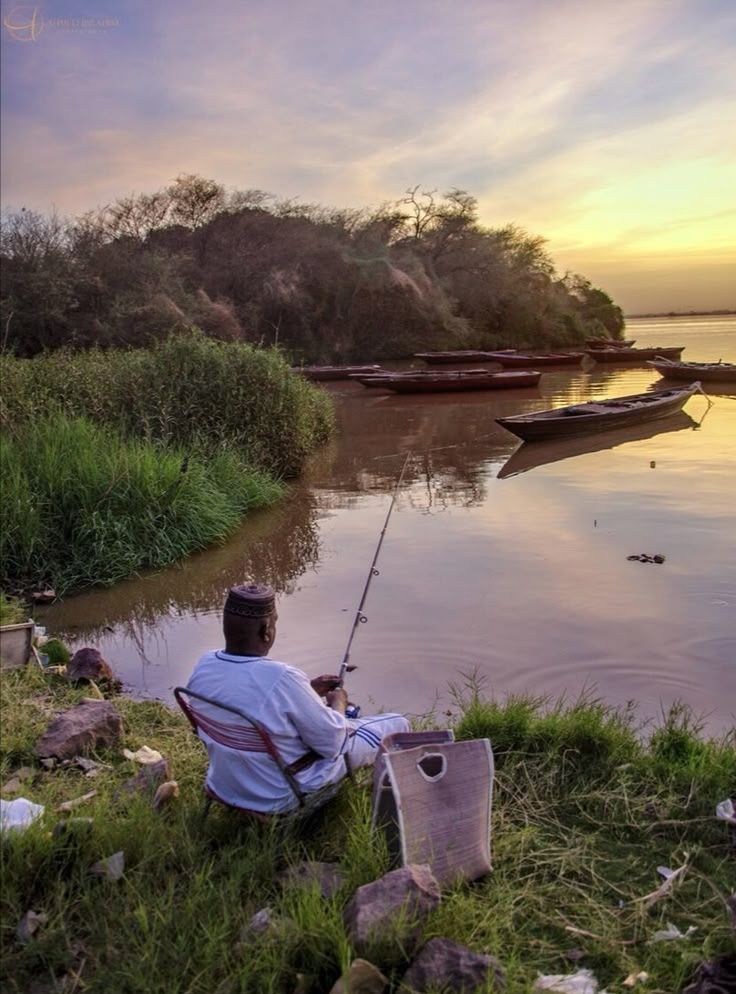
Fishing on the banks of the Nile, Sudan in pictures, Pinterest
When crises strike, Sudanese people return to the Nile as one returns to childhood. It is the mirror that does not age, in which individuals see themselves as their homeland sees them: patient like water, resilient like its banks, renewed despite drought. Having witnessed the great transformations, from the Kingdom of Kush to colonial rule to the modern state, the Nile has become a symbol of continuity amid rupture, a voice reminding people that what unites them runs deeper than their divisions.
In recent decades, the Nile has also become a memory of resistance. It continues to sustain the displaced and uprooted along its shores, and songs are still sung of it as a symbol of steadfastness and dignity. Thus, the river transforms from a mere natural landmark into a national memory that safeguards the people’s spirit and gathers their scattered fragments, just as its tributaries converge into a single current flowing toward the sea.
In the end, the Nile in Sudanese consciousness remains far more than a river that grants life. It is memory and myth, a mirror reflecting the spirit of Sudan in all its diversity and depth. Around it the first kingdoms arose; from its waves emerged poems; upon its banks were born the customs and rituals that bind humanity to earth and sky.
In the rites of the Bride of the Nile, in the bridegroom’s journey to the waters, in the postpartum visit to the river, and in the songs praising its flood, we read the legend of fertility and renewal, where history blends with faith, water with spirit, and humanity with symbol.
The Nile is not merely a witness to Sudanese civilization, but its maker and guardian. It dwells in the collective heart like an eternal legend, reminding each generation that Sudan’s roots begin with a single drop of water, and end in an inexhaustible story: the story of the Nile.