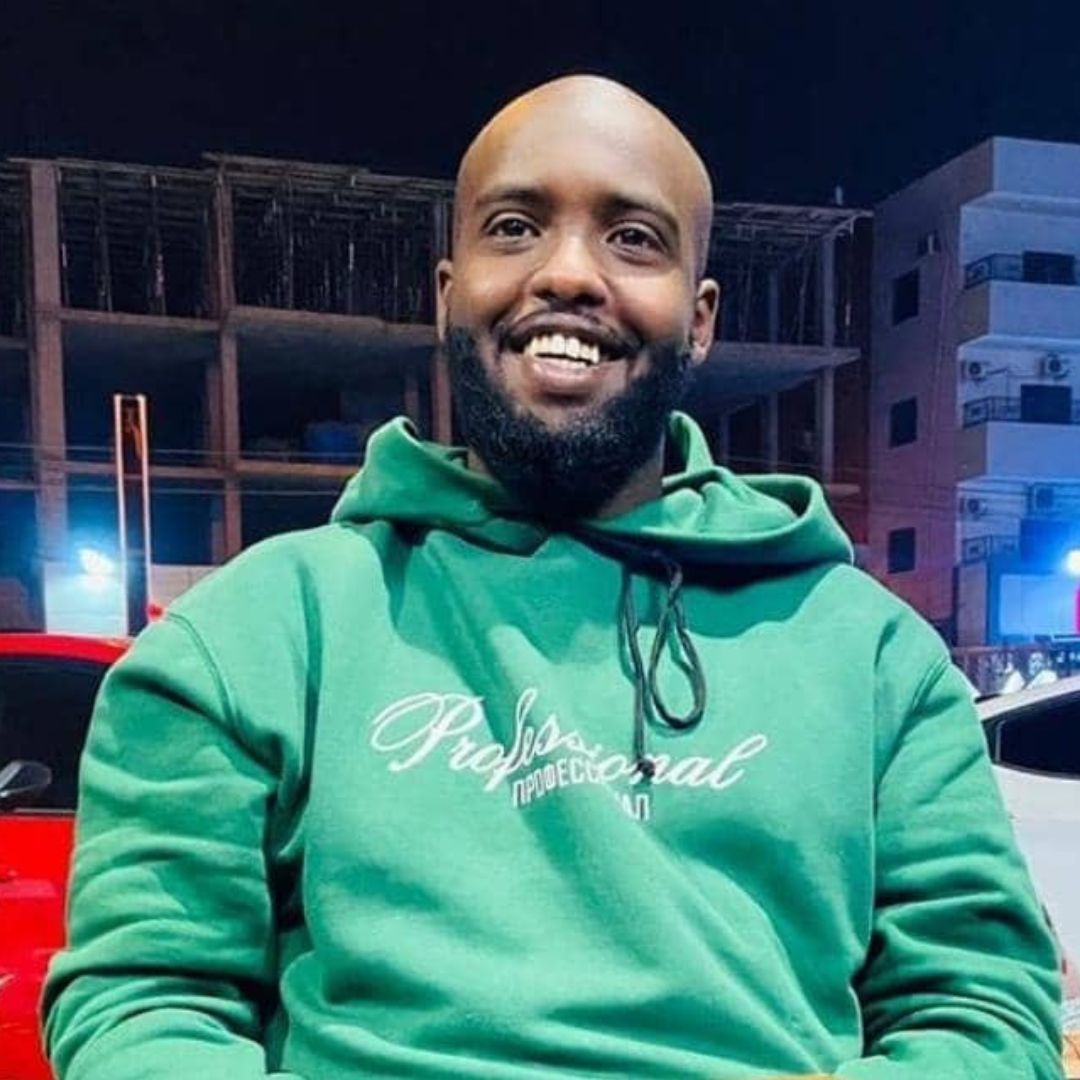
Introduction: Celebrating the Artistic Identity of Hargeisa, Somaliland
In the heart of Hargeisa, a city historically known as “hoyga fanka,” meaning “the cradle of art in the Horn of Africa”, the Fan-Keenna Short and Documentary Film Festival was launched to revive this distinguished legacy. Hargeisa has long been home to the arts in all their forms, and this time, cinema has found its own dedicated space.
The festival did not emerge out of nowhere; rather, it was born from a deep belief that cinema serves as a mirror reflecting reality and documenting history. Every story matters, especially at a time when redefining Somali society beyond prevailing stereotypes is essential. The festival seeks to bring forward stories that were once confined to oral tradition, transforming them into visual narratives that reflect people’s experiences, struggles, and hopes.
From a Small Dream to an Inspiring Event
For the second consecutive year, the Fan-Keenna Festival has secured its place on the cultural scene, following a successful and promising launch in 2023. Although the previous edition lasted only three days, it witnessed remarkable enthusiasm and eagerness from a cinema-hungry audience in the city, affirming the need for such events.
This strong reception encouraged the organizers to present a more ambitious edition in 2025. Instead of running for just six days as before, the festival extended to a full 9 days of screenings and accompanying activities. This expansion reflects the festival’s growing confidence in its expanding audience and confirms its status as a major cultural event that attracts a larger and more diverse crowd.
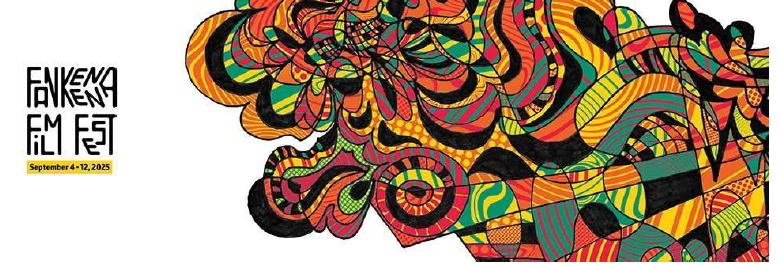
The festival's visual identity. Source: The festival's Facebook page.
Festival Goals: Supporting Local Talent and Opening Up to the World
The festival’s role went far beyond simply screening films; it sought to generate genuine artistic momentum and meaningful cultural awareness. At the heart of its vision was highlighting Somali stories and bringing them to a global audience through a diverse selection of short films, documentaries, and narrative works that reflect the richness and diversity of Somali culture, while also embracing and learning from other cultures.
In addition, the festival worked to create an interactive and supportive environment for the film community. It provided spaces for discussion and dialogue, allowing film enthusiasts and critics to exchange ideas about film-making and various artistic experiences. Most importantly, the festival served as an incubator for young talent, offering them valuable opportunities to showcase their work and receive the guidance and support they need.
Despite its strong focus on local production, the festival did not hesitate to engage with the wider world. It featured a broad selection of international films from different cultures and countries, adding a global dimension to the event. This allowed local audiences to explore diverse cinematic styles and techniques, reinforcing the idea that art is a universal language without borders.
Inspiring Events and Exceptional Guests
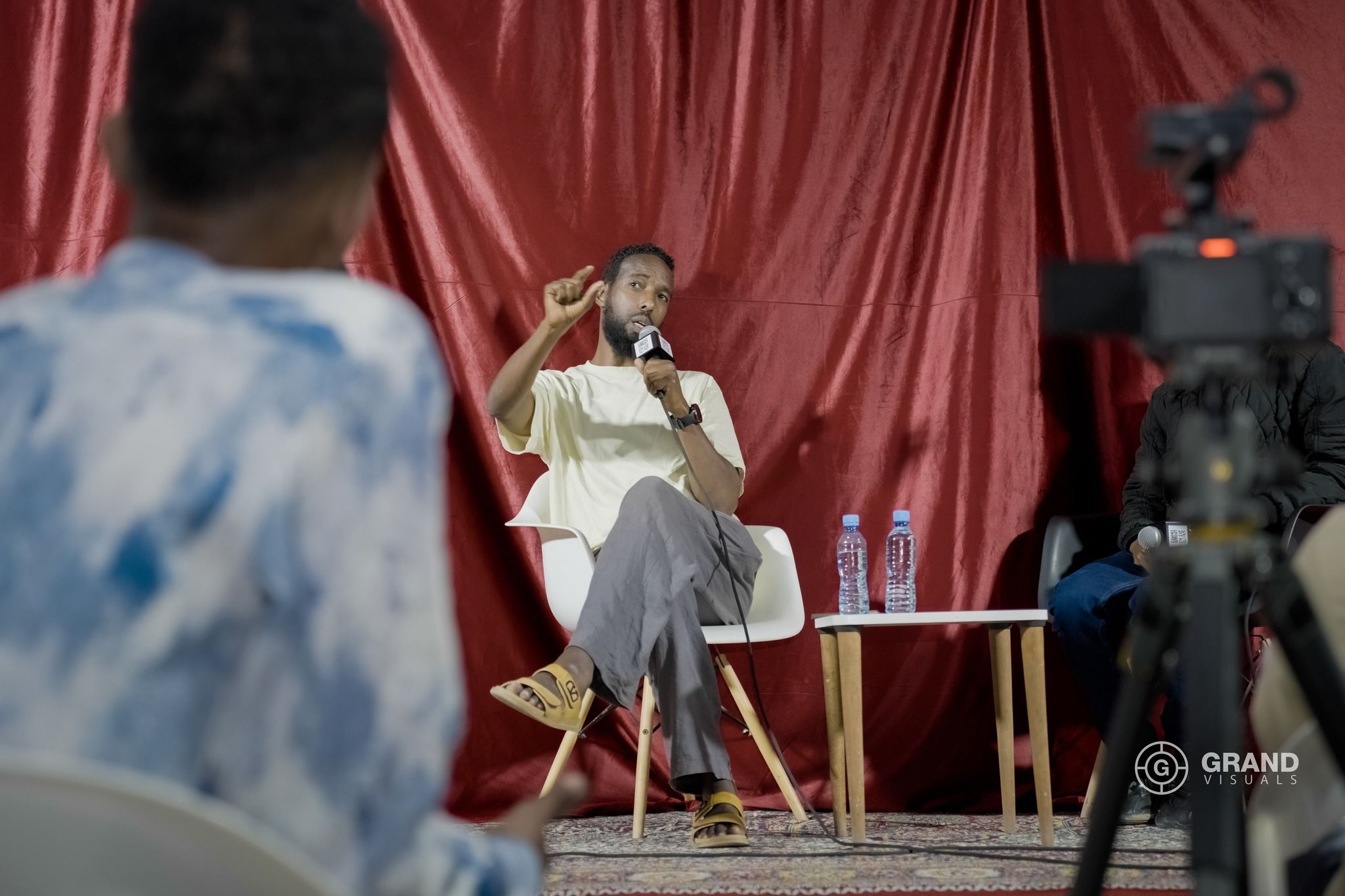
Actor Omar Abdi at the accompanying seminar. Source: The Festival's Facebook page
This cultural momentum was achieved through a series of workshops and panel discussions that hosted experts and specialists from both within the country and abroad. Among the most prominent of these sessions was the one led by internationally recognized Somali actor Omar Abdi, star of the acclaimed film “The Gravedigger’s Wife.”
During the discussion, Abdi spoke candidly about the challenges and obstacles facing the artistic and cultural movement in the region. Drawing on his professional experience, he offered a realistic perspective and shared valuable advice with young people interested in pursuing careers in the arts, encouraging them to persevere. His positive engagement and thoughtful responses to audience questions reflected his genuine passion for supporting the next generation of creatives, making the session an inspiring and unforgettable experience.
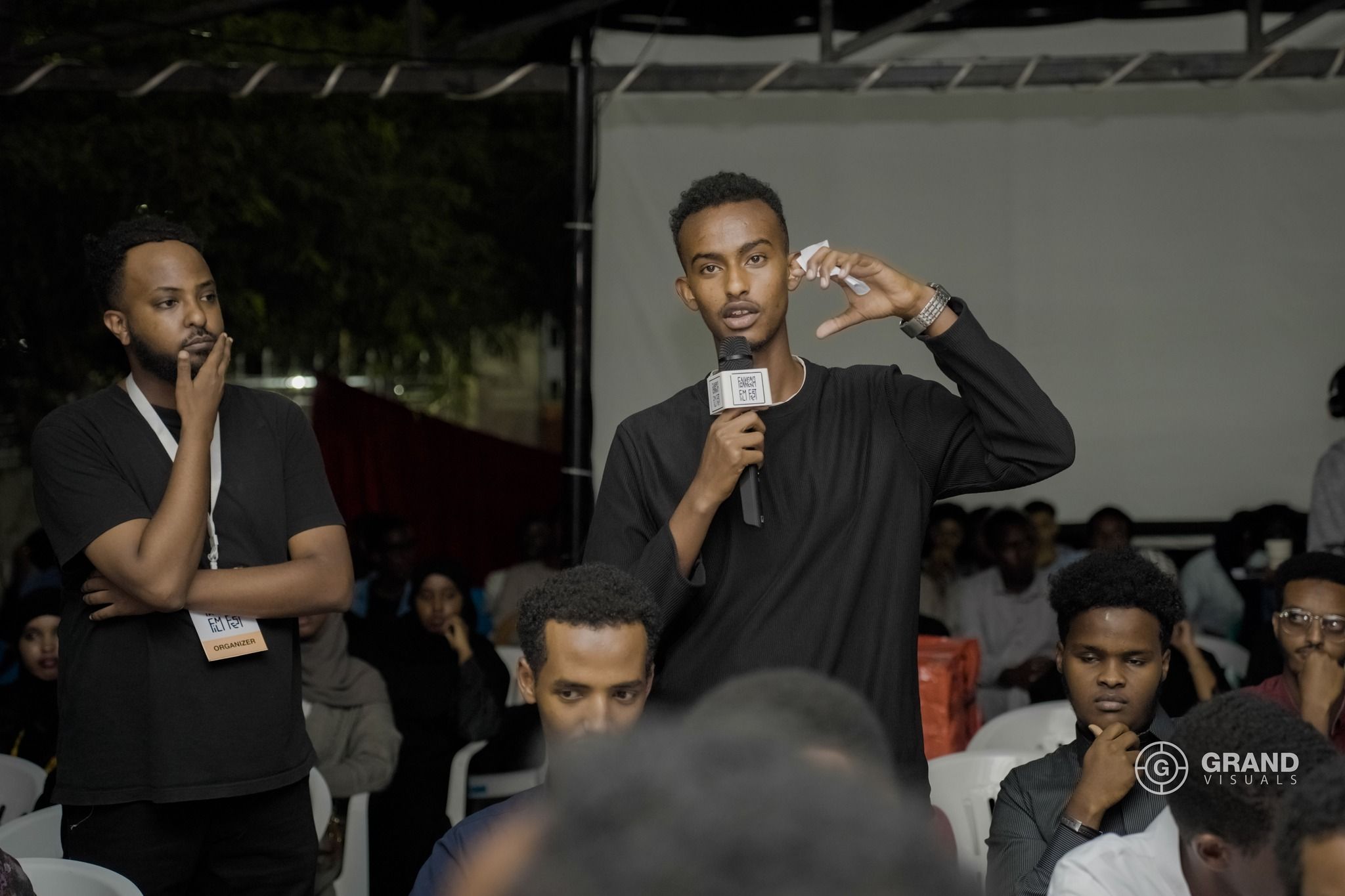
The audience reacted enthusiastically to actor Omar Abdi's seminar. Source: Festival Facebook page
The veteran playwright Abdirahman Yusuf Artan was also invited as a guest. He is widely known for the depth of his work and its impact on the Somali theatrical scene. Artan took us on an intellectual journey to explore “the connection between Somali theater and contemporary film-making,” a central theme that raises important questions about how cinema today can draw from the rich heritage of theater.
He explained that reviving classic theatrical masterpieces in a contemporary spirit is not merely an act of nostalgia, but rather a reawakening of the historical influence that theater has had in the Horn of Africa. Despite the challenges that stand in the way of transitioning from stage to screen in Somalia, theater remains the most powerful platform. It does more than entertain; it reshapes social consciousness and opens doors for creatives to showcase their talents.
Artan is considered a prominent figure in dramatic literature and one of the earliest playwrights in the Somali territories before the civil war. His participation also shed light on the value of theater as a foundational pillar for other visual arts. This seminar offered a unique opportunity to delve into the complex relationship of art and to celebrate the pioneers who built a bridge between the past and the present.
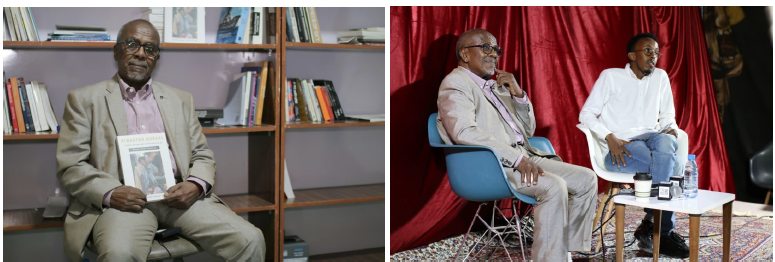
Veteran playwright Abdul Rahman Yousef Artan. Source: Festival Facebook page
Cinema of the Diaspora
The film Balwo, one of the most acclaimed works by director Mohamed Sheikh, places us in direct confrontation with the clash between dreams and reality. While the young son strives to compose his own musical piece, the father stands as an obstacle to this ambition, believing that life in the diaspora requires tangible professions that guarantee survival. It is a profound cinematic exploration of the father-son relationship and the challenges immigrants face in balancing economic security with creative fulfillment.
The film emphasizes that the issue is not a lack of love, but a failure of translation. The father expresses his love through restriction and fear (out of concern for his son’s future), while the son interprets these restrictions as a rejection of his identity and creative essence. The conflict here is not between “good and evil” but between “right and right.”
The strength of Balwo lies in its ability to make us empathize with the father’s fear as much as we are inspired by the son’s passion, placing us at the heart of the human tragedy experienced by every immigrant household. It is a real dilemma: the father sees the diaspora as a battlefield for survival, while the son sees it as a space for freedom. Director Mohamed Sheikh masterfully weaves this narrative, earning widespread audience acclaim.
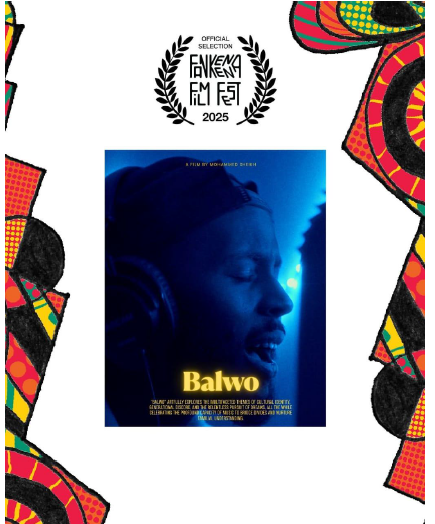
Balwo, a film by Mohamed El Sheikh. Source: Festival Facebook page
Women’s Creativity
Somali cinema in the diaspora has flourished, presenting many remarkable short films that stood out thanks to the direction of talented Somali women filmmakers. These works received wide acclaim, particularly in Hargeisa, where films such as “Henna Stain,” “A Story Left Behind,” and “Lifeline” shone. These films were not merely passing artistic projects; rather, they left a powerful mark on the Somali artistic scene, demonstrating the ability of women creators to tell profound and innovative stories that reflect Somali reality and heritage in new and impactful ways.
For example, in the film “Henna Stain,” directed by Nimo Yusuf, viewer Huda described how it revealed a linguistic and cultural gap experienced by the new generation of Somalis in relation to their parents, who struggle to translate the deep meanings of traditional Somali proverbs. The film highlights how this cultural gap affects areas such as medical consultations and everyday life, creating a cultural distance between children and their families.
The documentary “A Story Left Behind,” directed by Asma Kadie, tells fragmented stories about the first Somali woman in Sheffield. Through a cinematic revival of her memory, the film moves beyond a simple biography to become an intellectual statement raising existential questions: Who decides which stories deserve to remain? Who holds the moral authority to shape the memory of those who have passed? It is a work that celebrates presence despite absence and redefines the concept of “entitlement” in narrating history.
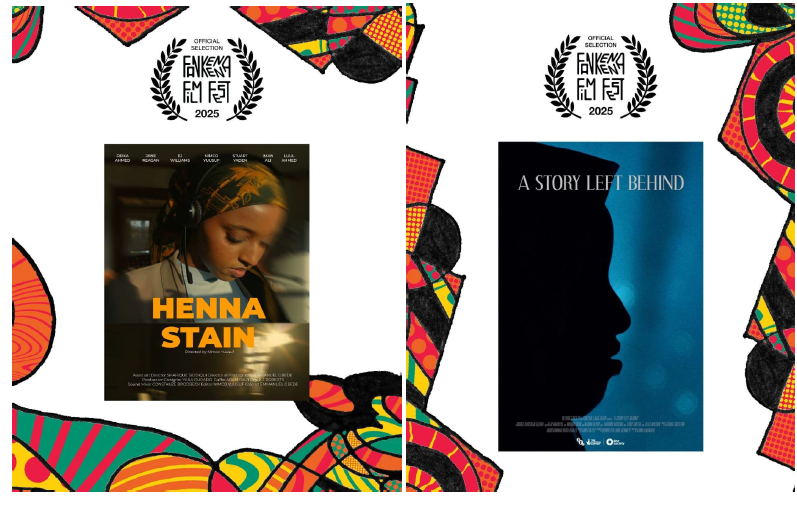
Films by women participating in the festival. Source: The Festival's Facebook page
In a step preceding the closing ceremony, the external jury committee undertook the task of reviewing and evaluating the films participating in the festival, which primarily focused on human rights. After a careful assessment of the works, the committee decided to award the three main prizes to the following films:
First Place: Awarded to “Sisar” from Afghanistan, directed by Mahmoud Sharif, which powerfully addressed girls’ right to education.
Second Place: Won by “Alazar” from Ethiopia, directed by Beza Hailu, which shed light on the right to a dignified life.
Third Place: Went to “1420” from the Kingdom of Saudi Arabia, directed by Arwa Salem, which presented a compelling story about the right to freedom.
The committee also granted a special mention to “After That, Nothing Happened” from Sudan, directed by Ibrahim Omar, considering it a distinguished work in its portrayal of the right to dignity.
In contrast to the jury’s selection, the Audience Award went to the Palestinian film “Born Famous”, directed by Louay Awad. The film tells, in an engaging comedic style, the story of Kamel, a young man searching for his freedom and privacy within his small and conservative Palestinian community. The story resonated strongly with audiences, particularly because it touched on a theme shared with conservative Somali society; the lack of privacy in closed communities.
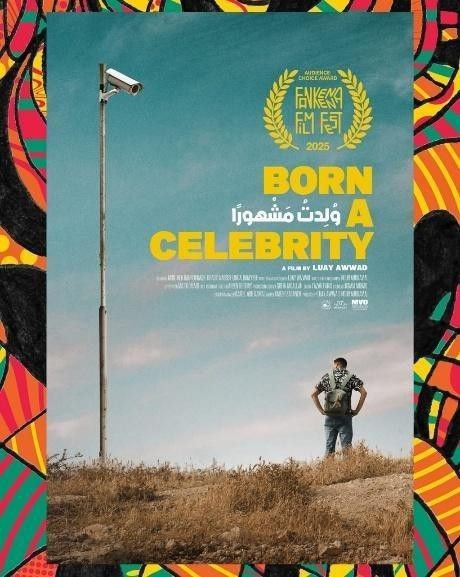
Poster for the film "Born A Celerity" with the festival's logo. Source: The Festival's Facebook page
Conclusion: A Glimmer of Hope for the Future of Somali Cinema
At the close of the “Fan-Keenna” Festival, one powerful message becomes clear: cinema is more than mere entertainment; it is an effective tool for expression, a window to the world, and a catalyst for change. The festival has succeeded in reviving Hargeisa’s artistic identity, affirming that art is a universal language without borders, and that local stories deserve to be told and heard.
The strong engagement from audiences and participants, along with the success achieved by the festival in its second year, inspires hope for a bright future for Somali cinema. It is a future that relies on young talent, embraces diversity, and fosters dialogue with other cultures.
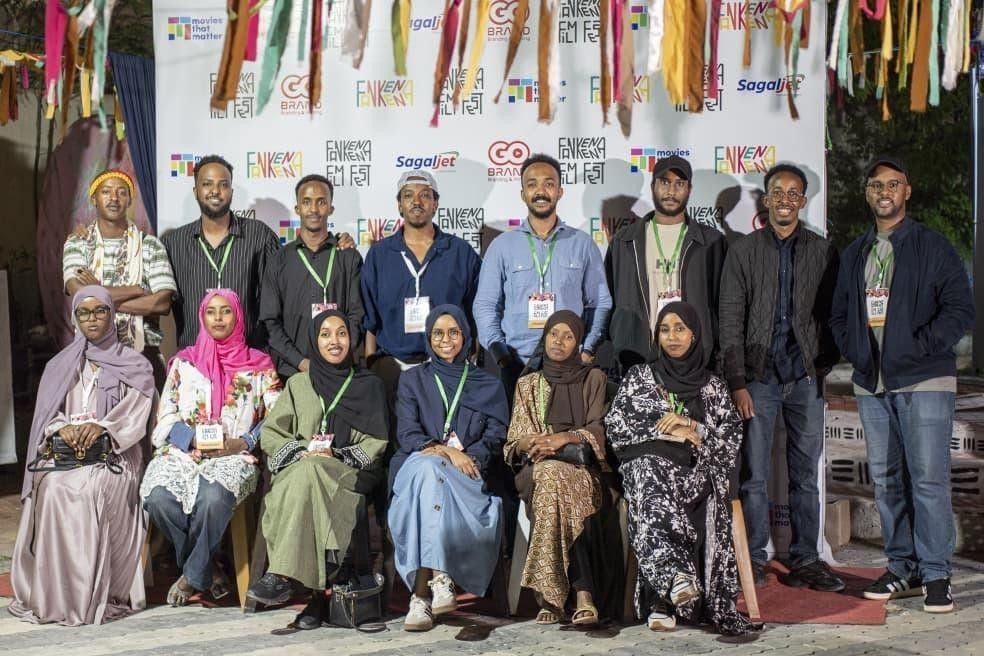
The "Fan-Keenna" Festival team. Source: The festival's Facebook page.
Special thanks to the outstanding Fan-Keenna team, whose creativity and dedication played a vital role in making the festival a success. Follow Fank-Kenna on Instagram to receive their updates and learn about upcoming events.