Egypt, 2021: A Question I Had Never Asked Before
In 2021, I traveled to Egypt, with the Sudanese artist Wad Eljak for a performance that changed the way I thought about my music. At the time, we were working closely together, building a strong presence in Sudan’s zanig scene. Our performances were attracting attention, and I believed that the energy we had created at home could connect with audiences beyond Sudan. The trip was organised by Alpha Events as part of performances in Arab countries. After rehearsals and preparations, we arrived in 'Almarai', sans-serif !important and performed near the Nile in the Manial area.
I remember looking at the crowd and feeling two things at once. There was excitement in being on a stage outside Sudan, but there was also a question I had not fully considered before: who was our music reaching?
Most of the audience appeared to be Sudanese. The music that had become familiar to people in our neighbourhoods and at major events back home had not yet reached the wider mix of listeners I had imagined. It was not a failed performance, but a moment of recognition. I began to understand that performing outside Sudan and reaching a new audience were two different things.
That experience stayed with me. It made me think about what zanig needed in order to travel: not simply more performances, but stronger documentation, better access to music platforms, and a clearer way for people unfamiliar with Sudan to discover the sound.
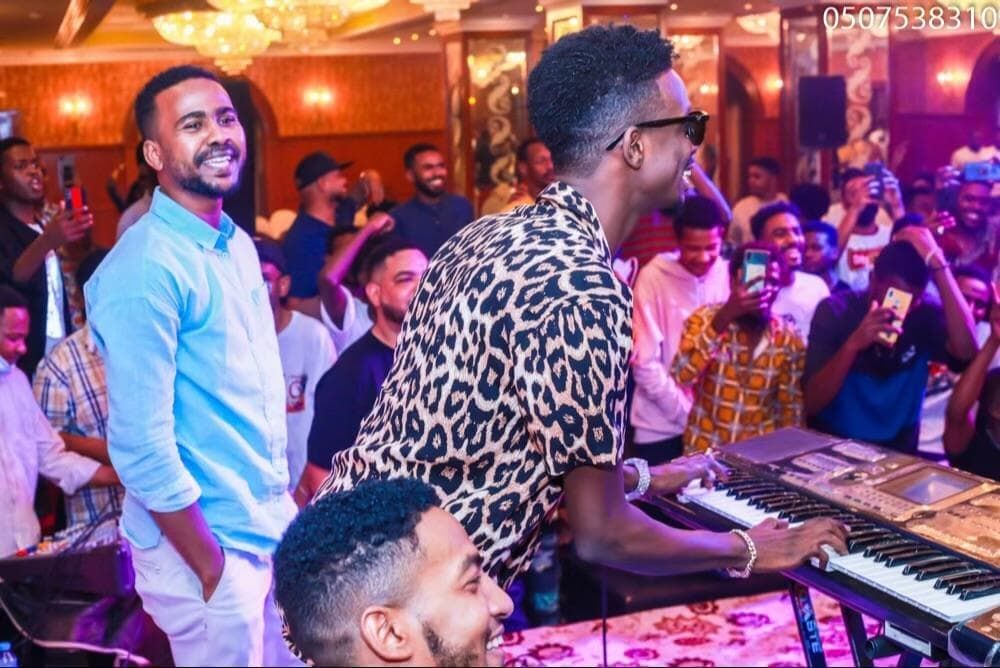
Zaery performing during his career as a Sudanese organ player. Image source: Zaery’s personal archive
The Sound I Grew Up With
I was born in Omdurman on 1 October 1998 and grew up around Khartoum and Omdurman, where music was part of everyday life. My interest in zanig began around 2012. I was drawn to the energy of the performances, the keyboards, the rhythms and the relationship between the musicians and the crowd. Zanig was not something I first encountered through an academic explanation or a formal music industry. I experienced it as a living sound, carried by performers and audiences in neighbourhoods, celebrations and public gatherings.
I developed my own path as an organ player, learning through practice and performances. Over time, I came to see that the keyboard was more than an instrument within a performance; it could help shape the atmosphere, carry the melody and give the music its distinctive movement. For me, zanig has always been connected to the people who built and sustained it. Its history cannot be understood through sound alone; it is also tied to the neighbourhoods, audiences and musicians who helped it grow.
The genre has increasingly attracted attention from journalists and researchers seeking to understand its cultural place in Sudan. The Sudanist’s feature, “From the Margins to the Mainstream: The Rise of Zanig in Sudanese Music”, looks at how a sound associated with the streets and youth culture became more visible in the country’s musical landscape. A sociolinguistic study, “فن الزنق السوداني: دراسة سوسيولسانية”, also approaches zanig as a subject worthy of study beyond its immediate performance setting.
These efforts matter to me because a genre can be popular among its own audience and still remain poorly documented. If we want people to understand zanig years from now, we need to preserve the recordings and stories of the people who created and developed it.
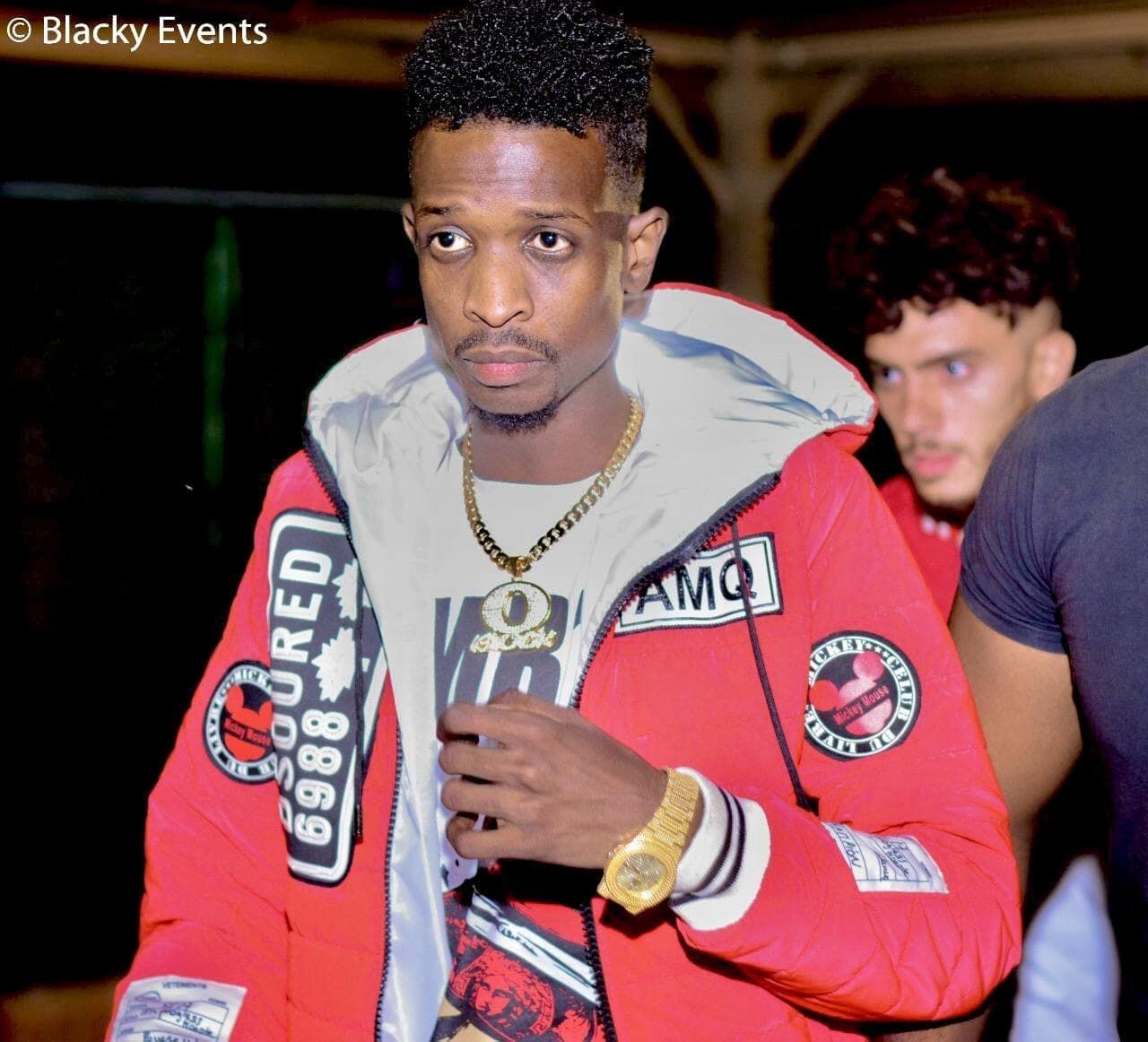
A photo from an event at the Dosa Resort, Nile Street, Khartoum. Source: Wikimedia Commons
Can Zanig Become Part of Music History?
This is a question I have discussed directly in my interview about zanig’s future and whether it can become part of recorded musical history. For me, the question is whether we are doing enough to make sure it can be remembered accurately. A musical movement can shape the lives of thousands of people and still leave behind an incomplete record. Performances happen, audiences gather, musicians influence one another, and styles change. But when recordings, interviews, credits and reliable written accounts are missing, later generations may struggle to understand how that movement developed.
That is why I believe documentation is part of the work of a musician. Releasing music is important, but so is explaining where it comes from, acknowledging the people who influenced it, and making those connections accessible to listeners who did not grow up with the sound.
A conversation with Ayman Al-Rubo about the definition and history of zanig offers another important perspective. Al-Rubo is widely associated with the development of the genre, and hearing musicians discuss its beginnings helps keep the story connected to the people who experienced its growth.
I do not see zanig’s history as a story that belongs to one musician alone. It is a story that needs different voices: pioneers, performers, singers, producers, audiences and researchers. The more perspectives are recorded, the more complete that history can become.
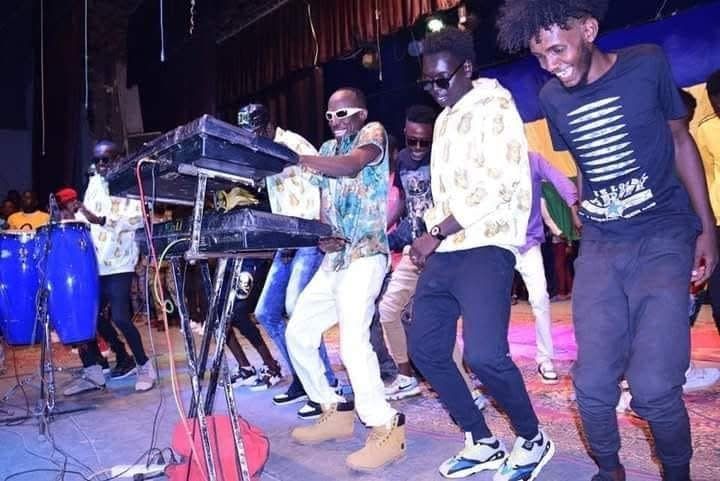
Zaery at work as an organ player. Image source: Zaery’s personal archive.
The Work Behind the Stage
The 'Almarai', sans-serif !important experience gave me new questions, but the years that followed also tested my ability to continue working. In 2022, I went through a difficult period financially and professionally. Zanig performances are collective by nature. An organ player cannot always approach a show as an individual booking; the performance often depends on a wider group and the practical costs that come with it, including transportation, clothing, food and other arrangements.
During that period, disagreements with my manager, Abdelaziz Faisal, known as Azzo Bana, affected the flow of work. For around three months, events were not being arranged for me as before. I began contacting event organisers myself and trying to secure bookings. It was physically tiring, mentally draining and financially difficult. After conversations with friends, we eventually held a meeting and found a way to continue working together.
One of the significant performances that followed was at Dousa Resort, in an event organised by Black Events. I performed alongside Wad Eljak, Basel Hollandi and Sony Al-Shagara. Experiences like that reminded me how much of a performance depends on a network of people working together, often outside the audience’s view. Those years taught me that sustaining a career requires more than talent. It also takes relationships, planning, patience and a way to keep the music moving when circumstances become difficult.
Riyadh and a Wider Musical Perspective
In 2023, I moved to Riyadh, Saudi Arabia. There, I joined Sequence, a Sudanese youth band whose performances included Western music and reggae. The experience gave me another environment in which to work with musicians and approach performance from a different direction. I also appeared at Rotana Studios in Riyadh on the SBC programme Ala Al Waad, alongside Abdel Fattah Grini.
Working in different musical settings did not make me want to leave zanig behind, rather, it made me think more carefully about what makes a sound recognisable and how it can communicate with people who come from different musical backgrounds. I began to think of international reach as a matter of presenting zanig clearly, with strong production and an understanding of the audiences who might discover it for the first time.
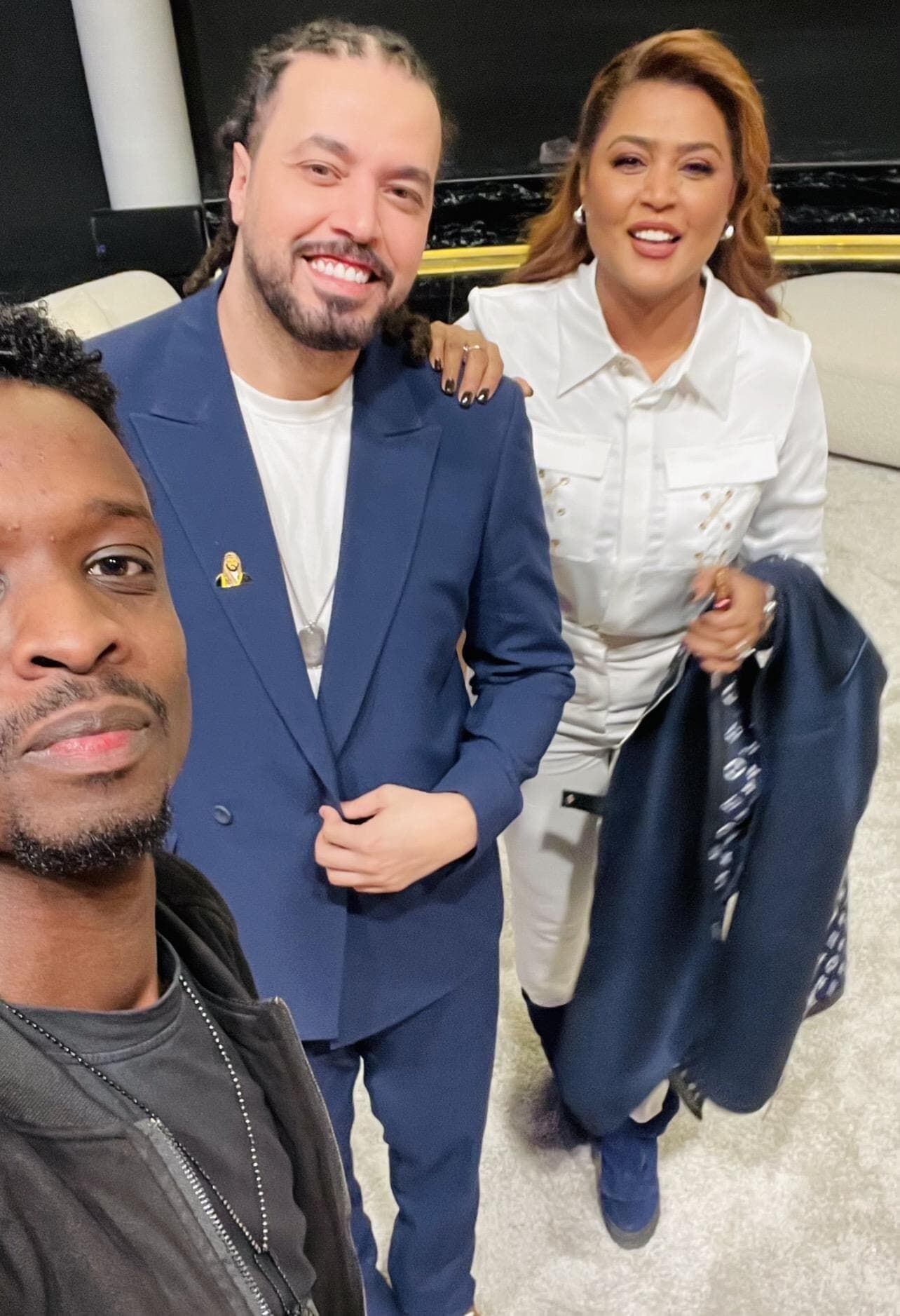
Zaery during a performance or studio appearance in Riyadh. Image source: Zaery’s personal archive.
From Live Performances to Digital Releases
For years, much of my musical identity was built through live performances. In 2025, I decided to place more of my own performance music on digital platforms. I wanted listeners to be able to find my work even when I was not on a stage, and I wanted my name to have a clearer presence as an artist and music producer.
One of the releases from this period was Zyko EP, released on 14 December 2025. The project explores African musical influences through a sound connected to my own musical direction. It represents part of my interest in bringing together the rhythms I grew up around and a broader African musical language. The EP contains four tracks: “Afro Zyko,” “Azondo,” “Babas” and “Feeling.” I saw it as an opportunity to give listeners a more direct way into my musical ideas. Another part of my work has involved collaborations with other artists. My performance on “Kassar Sameh” with Noon Alankaboota is one example of the connections that continue to shape my work beyond a single stage or project.
The shift to streaming was practical and creative, because igital platforms make it easier for a listener in another country to find a track, revisit it and share it. They do not guarantee international recognition, but they create an accessible starting point.
Rasta: A Tribute and a Continuation
On 2 February 2026, I released Rasta EP, an instrumental project that carries a personal meaning for me as a tribute to Ayman Al-Rubo and to the influence he has had on zanig. I wanted the project to acknowledge the work of a musician whose contribution is closely connected to the sound’s development, while also expressing my own approach to contemporary instrumental music.
For me, paying tribute does not mean trying to reproduce another artist’s work exactly. It means recognising the path that made it possible for others to continue experimenting. The music can carry that respect while still moving in a new direction. I have also followed conversations about Al-Rubo’s place in zanig’s history, including a video discussion with him about the genre. These conversations are important because the history of a musical scene should not be left to memory alone. Artists’ own accounts can help preserve details that may otherwise disappear.
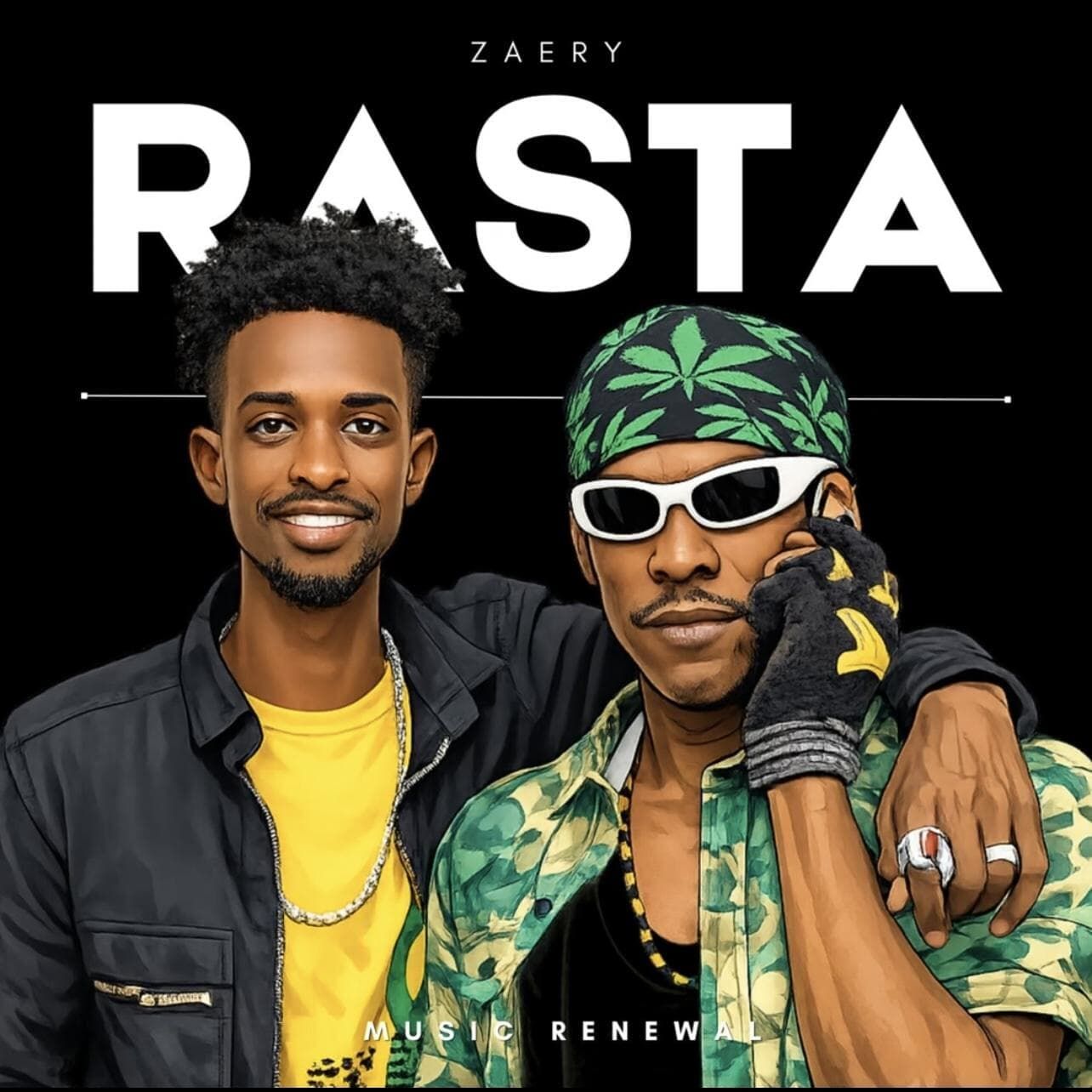
Artwork or promotional image for Zaery’s Rasta EP. Image source: Zaery / official release artwork.
What Could Zanig Become?
The question of zanig’s future is increasingly being discussed in international music coverage, including The National’s feature on Soulja and the potential of Sudanese rhythms to influence global club music. Soulja’s perspective is also explored in a video interview discussing zanig’s history, Ayman Al-Rubo and the future of Sudanese youth music. These conversations place the genre within a wider discussion about how local musical identities can find new audiences without losing their roots. I find that possibility exciting, but I also think it requires careful work.
International attention alone does not create a lasting musical movement. The music needs artists who continue to develop it, platforms that make it available, documentation that explains its background, and opportunities for collaboration that allow it to travel naturally.
There is also a need to acknowledge that zanig has been understood differently by different people. For some, it represents the energy and creativity of young Sudanese communities. For others, it has been associated with social criticism or stereotypes about the people who listen to it. Those tensions are part of the genre’s story, and they deserve to be discussed.
I am interested in what happens when zanig reaches people who have never encountered it before. What will they hear in the rhythms? What will they understand about Sudan through the music? And how can we make sure the genre is presented as a living culture and not a passing trend?
I do not believe there is one answer to those questions. But I believe the conversation has to include the people who have made the music, not only those who discover it after it reaches an international stage.
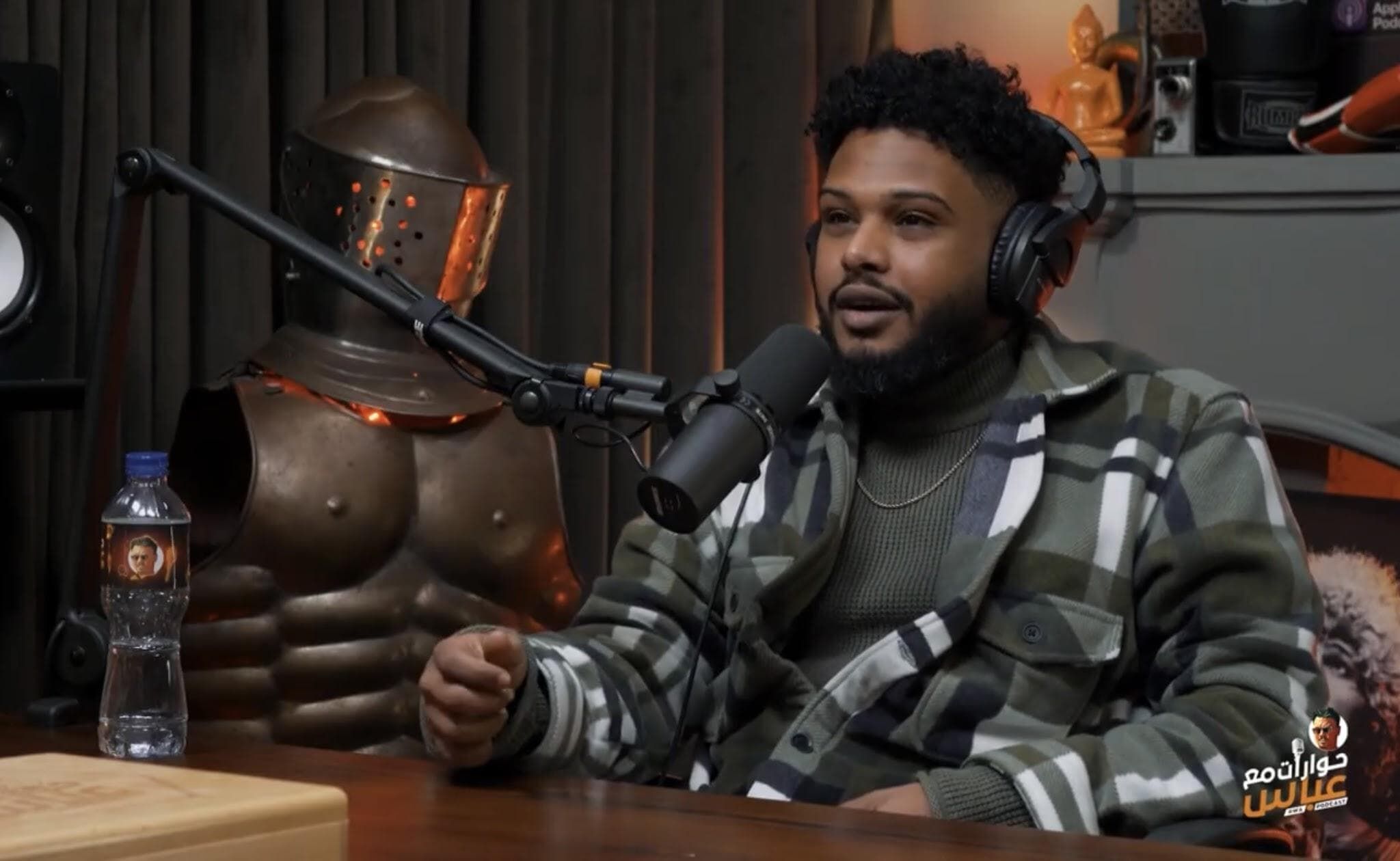
The Sudanese rapper Soulja. Image Source: RWA Podcast
The Next Step: Building Beyond Borders
In May 2026, THORIUM STUDIOS approached me with an idea: to help bring zanig to a wider international audience through a new collaborative project. After discussions, the project developed into an EP involving rapper Lora and producer Ninja249, under the company’s supervision. Work has been ongoing, with a possible release planned for November 2026. The project is another step in a direction I have been considering since that performance in 'Almarai', sans-serif !important; to take a sound formed in Sudanese neighbourhoods into new musical spaces while preserving what makes it recognisable. For me, it is to give it the production, presentation and opportunities it needs to be heard on its own terms.
My journey has moved from neighbourhood performances in Omdurman to stages in other countries, from working with artists in Sudan to releasing music digitally and developing new collaborations. Each stage has brought different challenges, but the question behind the work remains the same. I want zanig to be heard, understood and documented. I want people to know the musicians and communities behind the sound, and I want future generations to be able to trace its development rather than having to reconstruct it from scattered memories.
The performance in 'Almarai', sans-serif !important showed me what I still needed to work towards. I continue to see that goal as a long-term commitment: to make music, to collaborate, to preserve the stories behind it and to create opportunities for a Sudanese sound to travel further. For me, taking zanig to the world stage begins with knowing where it came from, and making sure that story travels with it.